Must-See Highlights in Bursa
Discover Bursa, the first Ottoman capital: UNESCO complexes, grand mosques, historic caravanserais, waterfalls, and nature wonders.
Explore Bursa Thematically
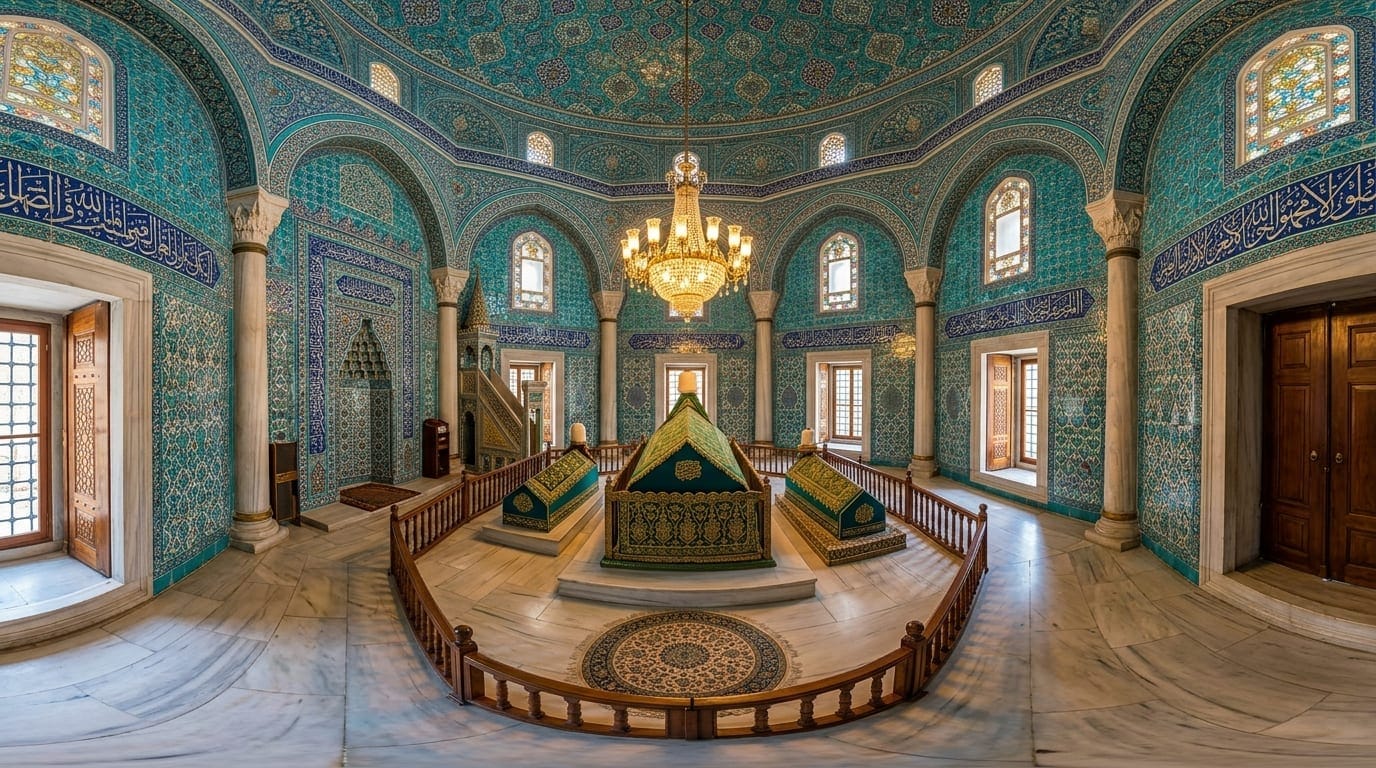
UNESCO World Heritage & Sultan Complexes
Ottoman founding masterpieces: Grand Mosque, Koza Han, Green Tomb and Muradiye
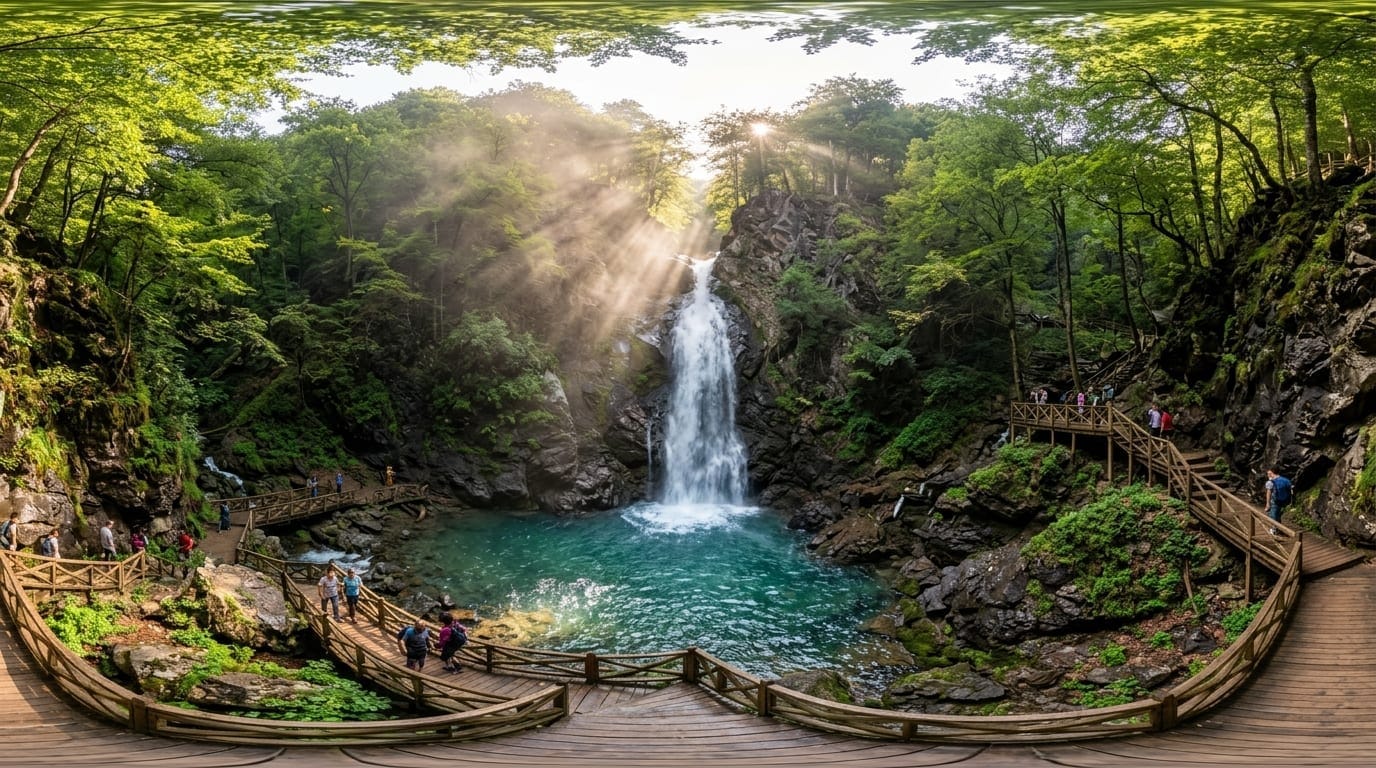
Natural Wonders, Waterfalls & Canyons
From Uludağ peaks to Suuçtu Waterfall, Gököz Pond, and Longoz Floodplain Forests
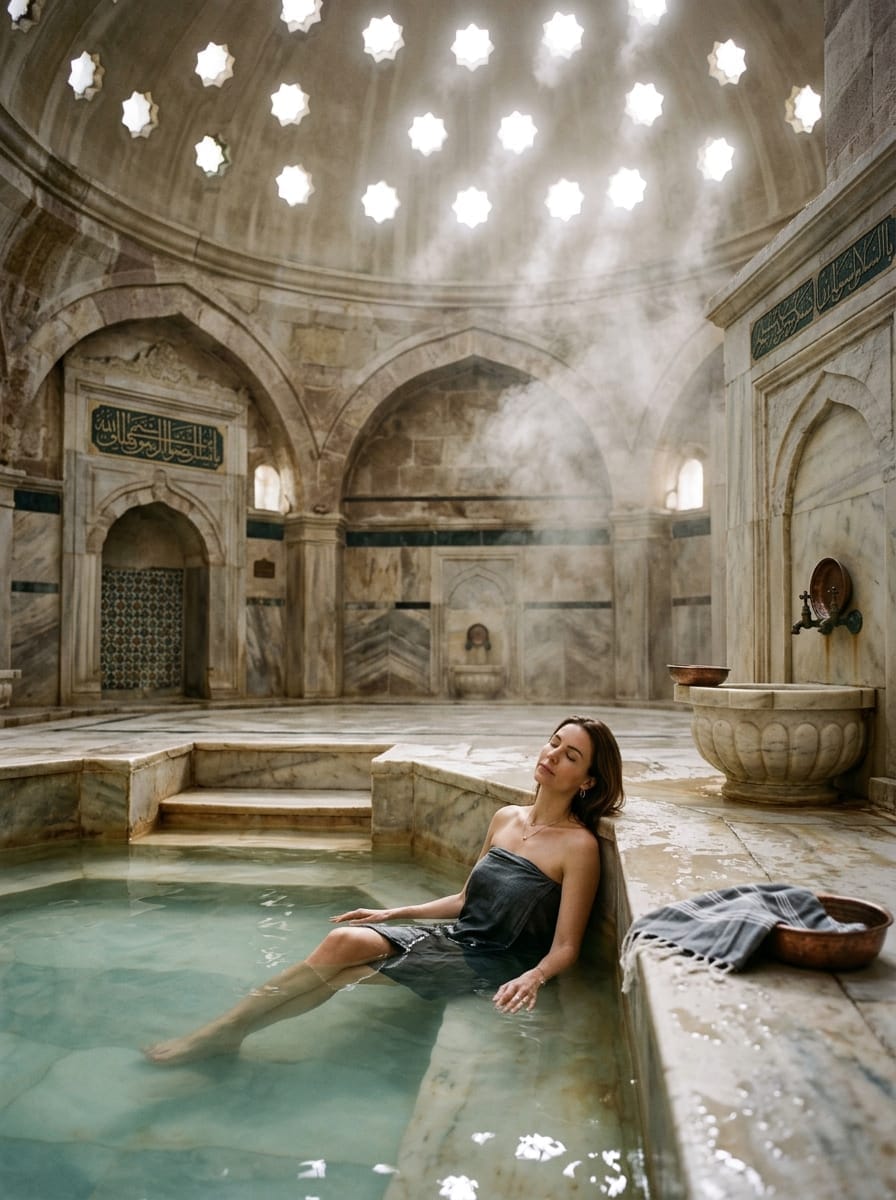
Healing Thermal Springs & Sultan Baths
From Roman and Ottoman eras to today: 40°C sulfurous natural mineral healing waters
Historic Khans, Silk & Bazaars
Heart of the Silk Road: Koza Han, Pirinç Han, Balibey and the Grand Bazaar

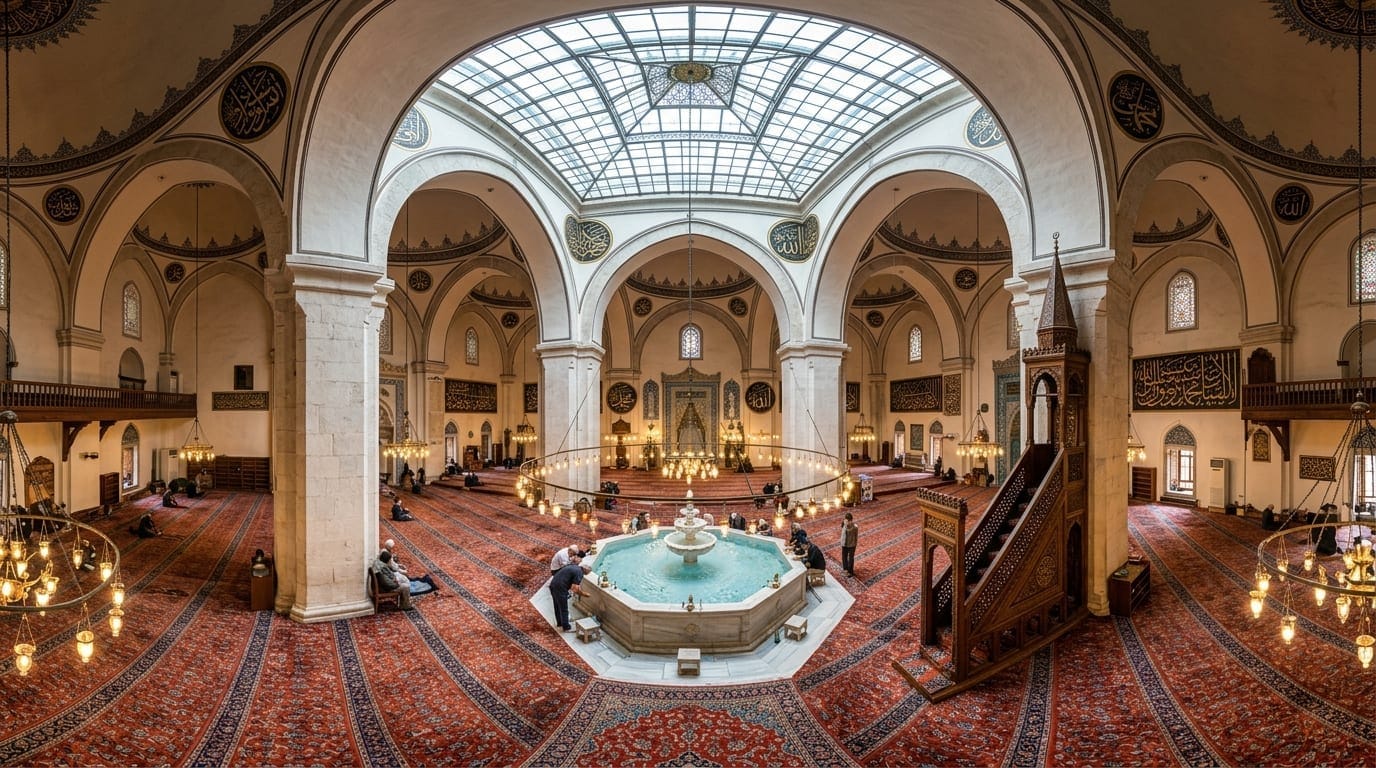
Bursa Ulu Mosque, built by Yıldırım Bayezid in 1399, is the pinnacle of the monumental multi-legged mosque plan with 20 domes. It is considered a living open-air museum of Islamic art with its 16-cornered marble fountain with a glass ceiling in its interior, a nailless kundekari pulpit of 6,666 pieces and 192 giant calligraphy plates.
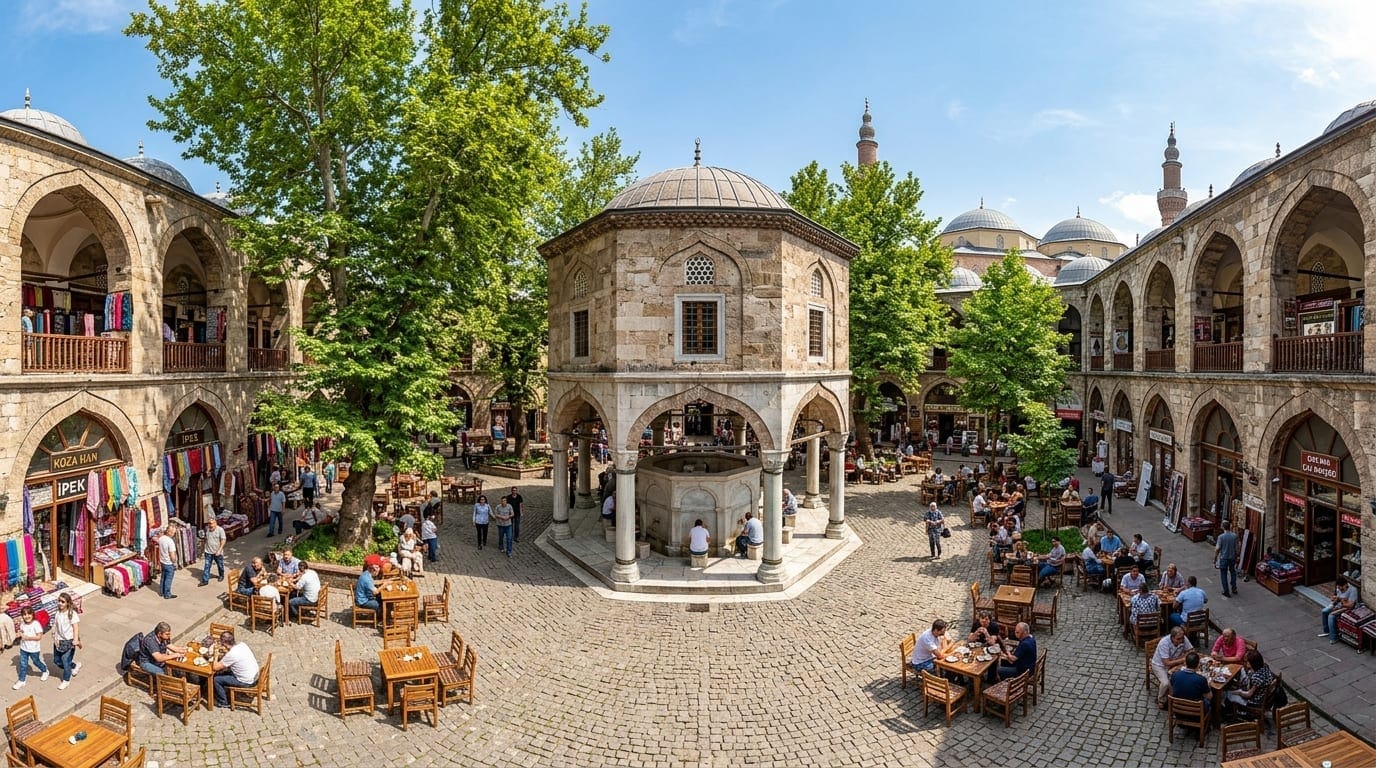
In 1491, Sultan II. Historical Koza Han, built by Bayezid, has been one of the most critical centers of the world silk trade for centuries. It is a living Ottoman caravanserai with its octagonal pavilion mosque in the middle of the courtyard, centuries-old plane trees and genuine Bursa silk shops.
Green Complex, built by Çelebi Mehmed between 1419 and 1424, is the tiled victory monument of the rebirth of the Ottoman Empire from the Interregnum. Green Tomb, decorated with unique turquoise and dark blue underglaze tiles made by masters from Tabriz, is the global symbol of Bursa.
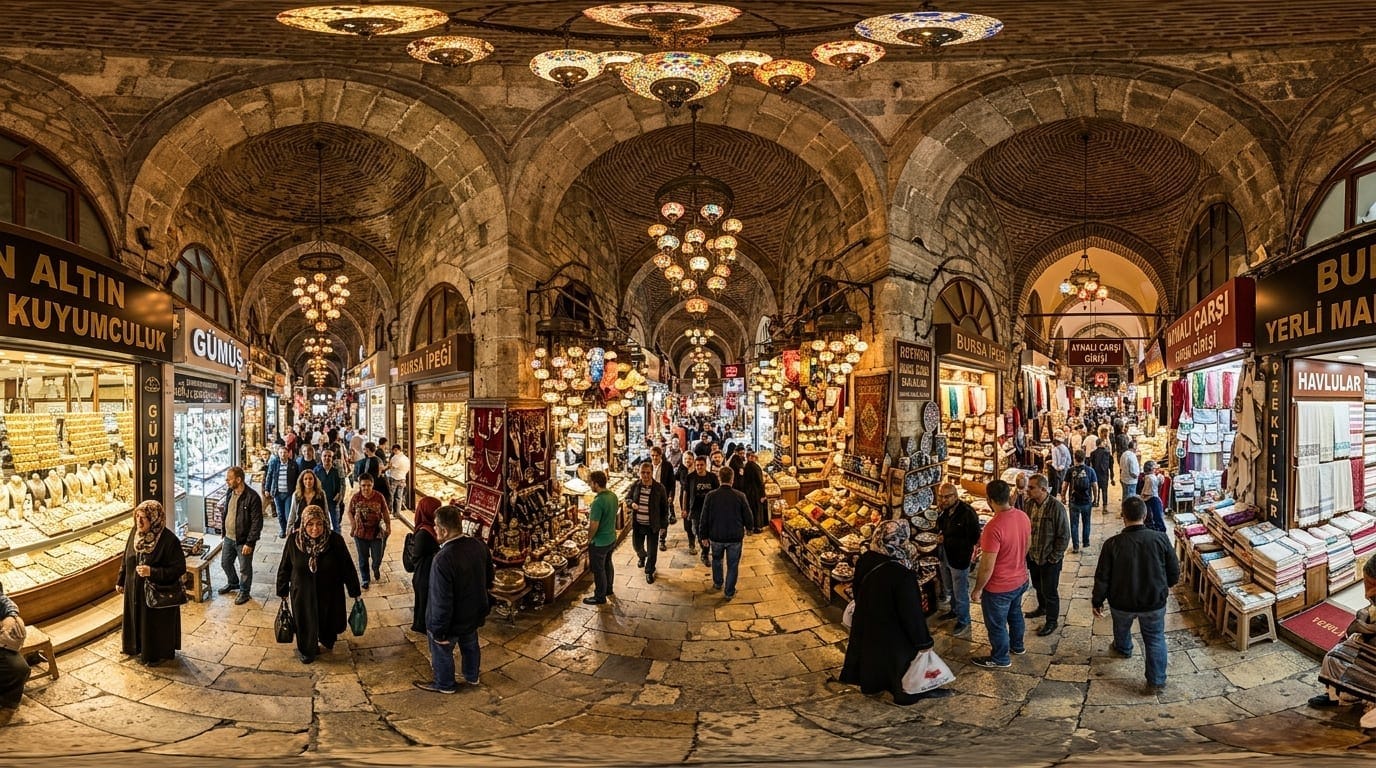
Bursa Grand Bazaar, whose foundations were laid in 1339 and inspired the Istanbul Grand Bazaar; It is the heart of Ottoman trade with its vaulted streets, Bedesten jewelers, Aynalı Bazaar full of antique shops and centuries-old inns.
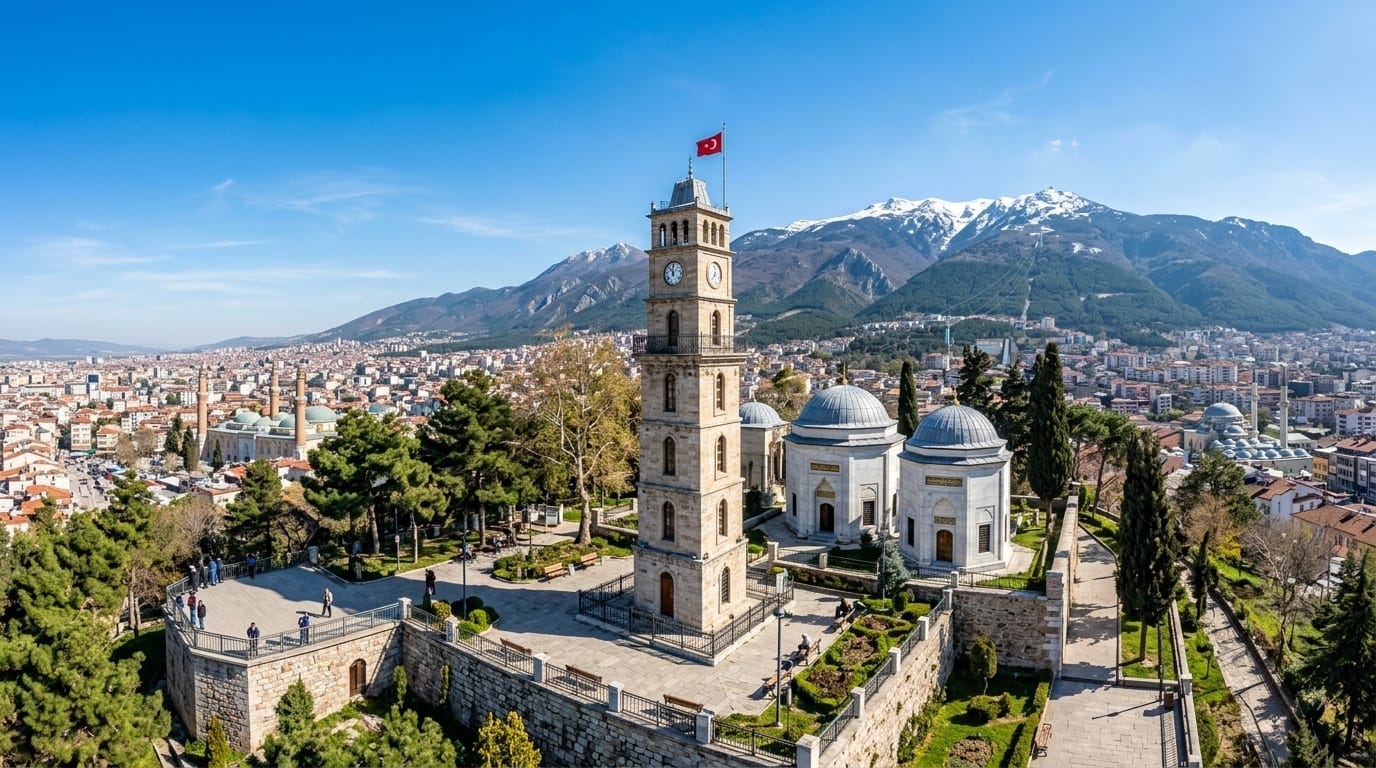
Tophane Park, located on the most dominant viewing hill of Bursa; It is the founding heart of Bursa, with the eternal resting places of Osman Gazi and Orhan Gazi, the founders of the Ottoman Empire, the 6-storey historical Clock Tower built in 1905 and the panoramic view embracing the city at 360 degrees.
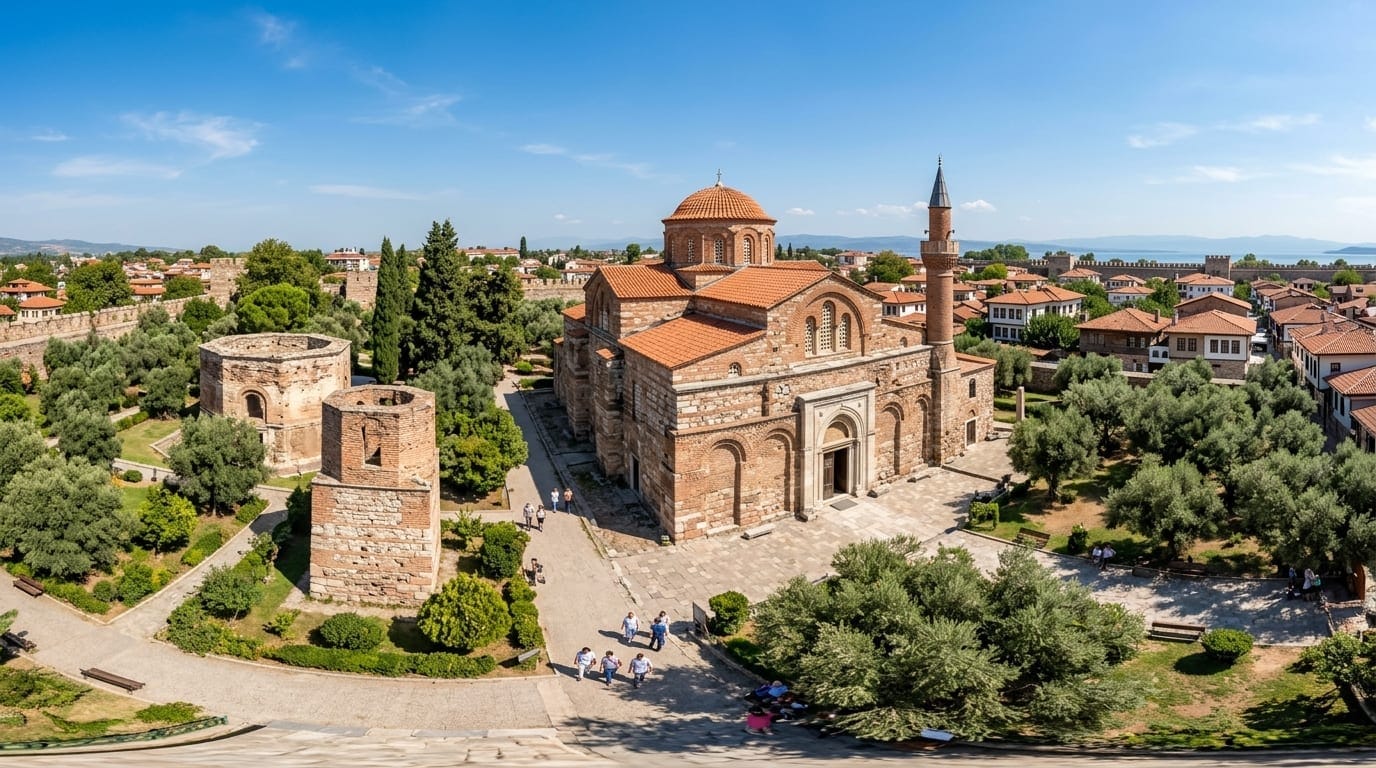
M.S. Iznik Hagia Sophia, which was built in the center of the ancient city of Nikaia in the 4th century, hosted the 7th Ecumenical Council that changed the history of Christianity in 787, and was converted into a mosque by Orhan Gazi in 1331, is the common heritage of the civilizations of two worlds.
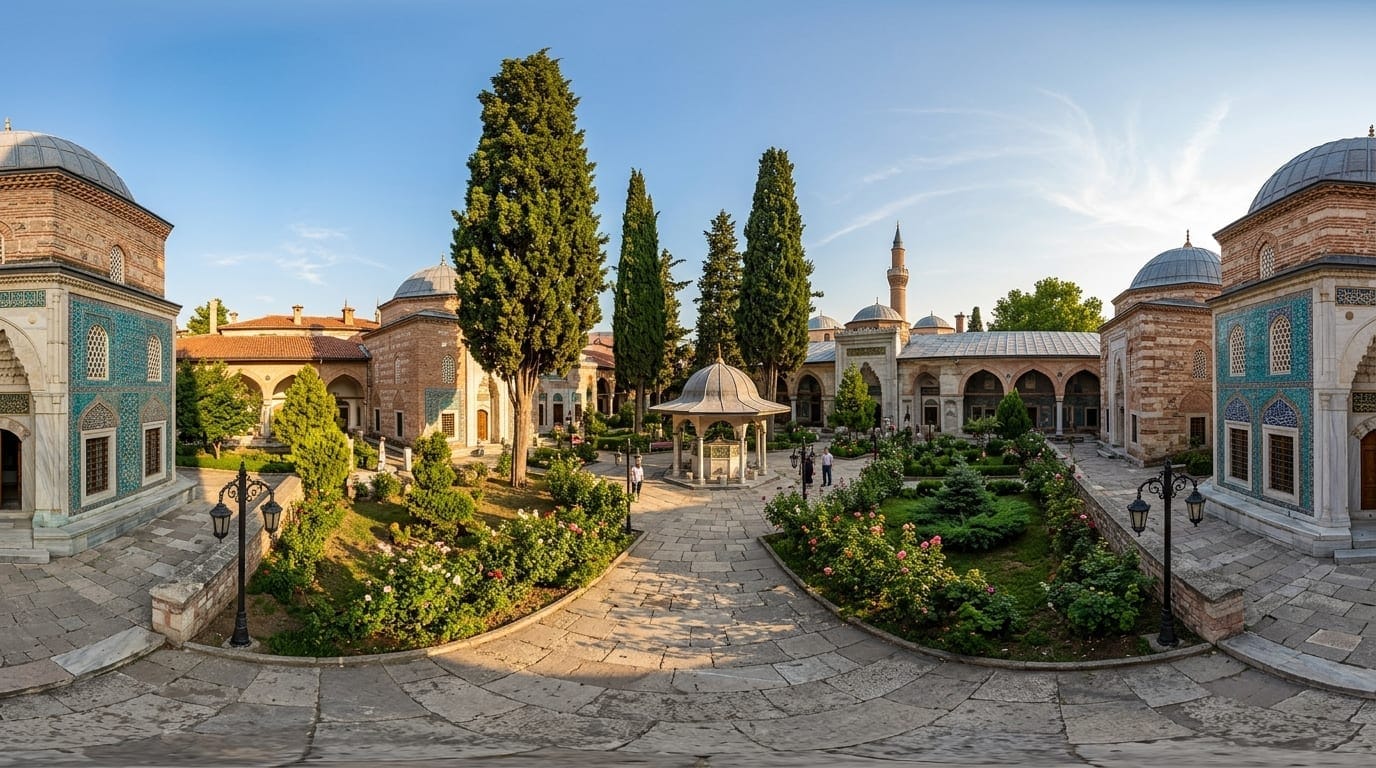
Sultan II. Muradiye Complex, built by Murad II in 1425-1426, is the last large complex built by the sultan in Bursa. It is a unique garden of peace, known as the 'Florence of the Ottoman Empire', with its 12 dynasty tombs such as Prince Mustafa, Cem Sultan and Mahidevran Sultan.
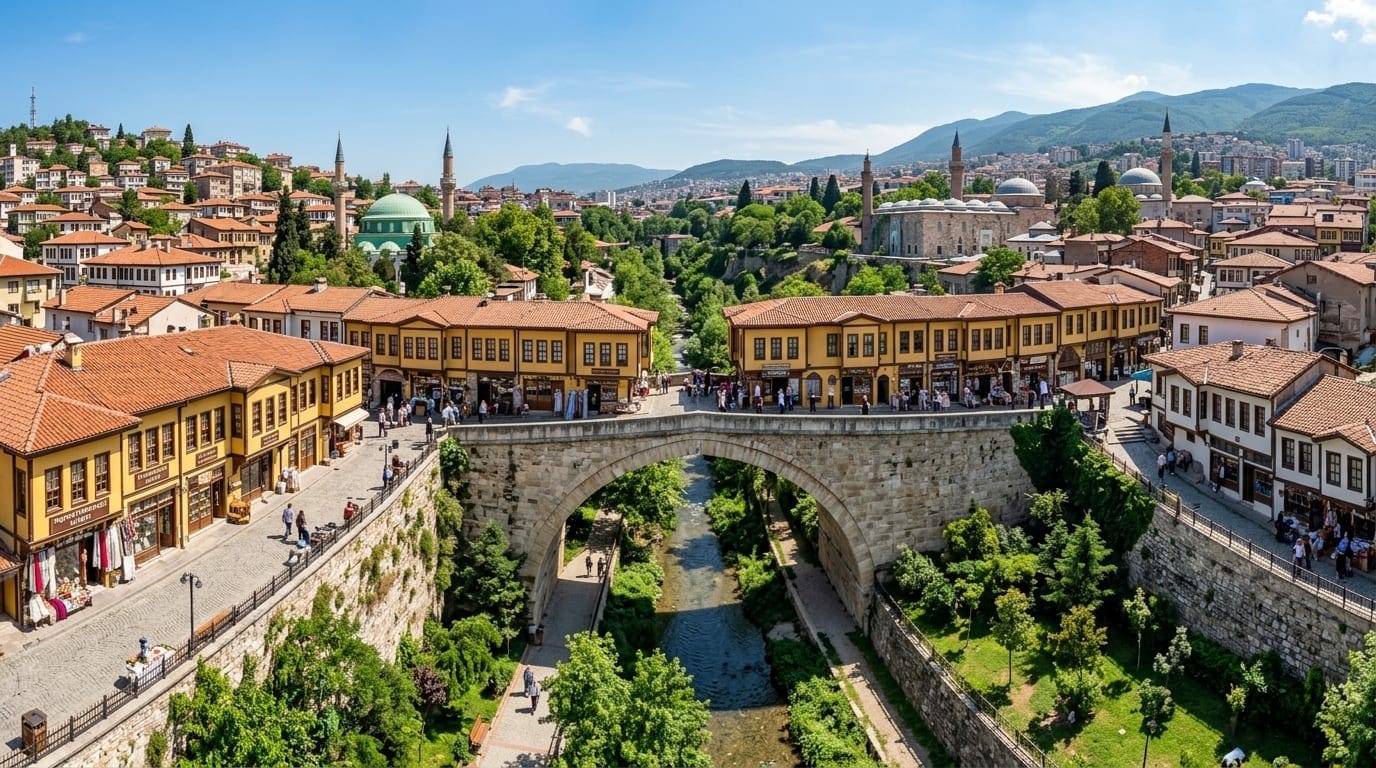
Historical Irgandı Bridge, built in 1442; It is one of only four bridges with arcades in the world, along with the Ponte Vecchio in Florence, the Rialto in Venice and the Osma Bridge in Lovesia. It hosts traditional Turkish handicraft workshops on Gökdere.
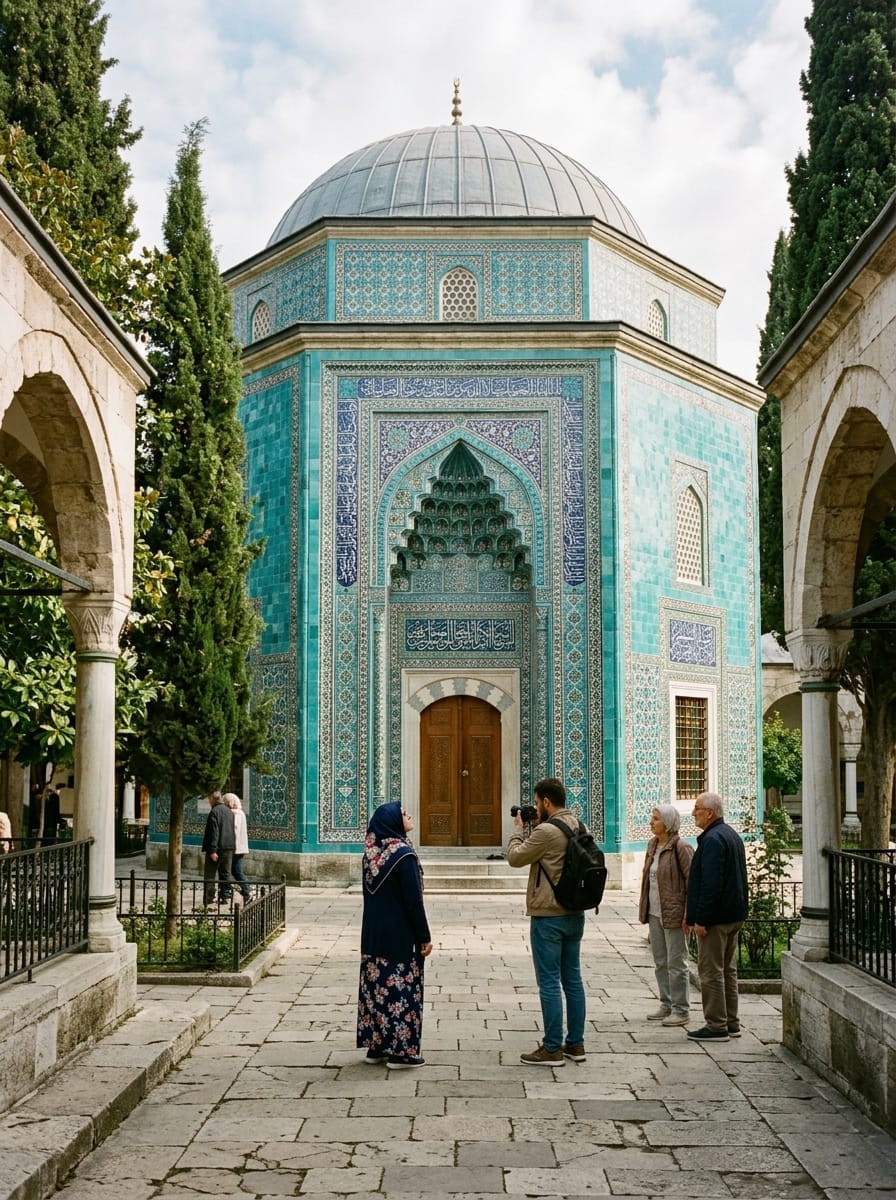
A UNESCO World Heritage monumental complex built in 1390-1399 by Sultan Bayezid I, encompassing an imperial mosque, royal tomb, and the Ottoman Empire's first medical school and hospital (Darussifa).
The most monumental gate of the 4,970-meter-long ancient walls of Nicaea, featuring triple-arched Roman triumphal architecture, mask reliefs, and imperial inscriptions.
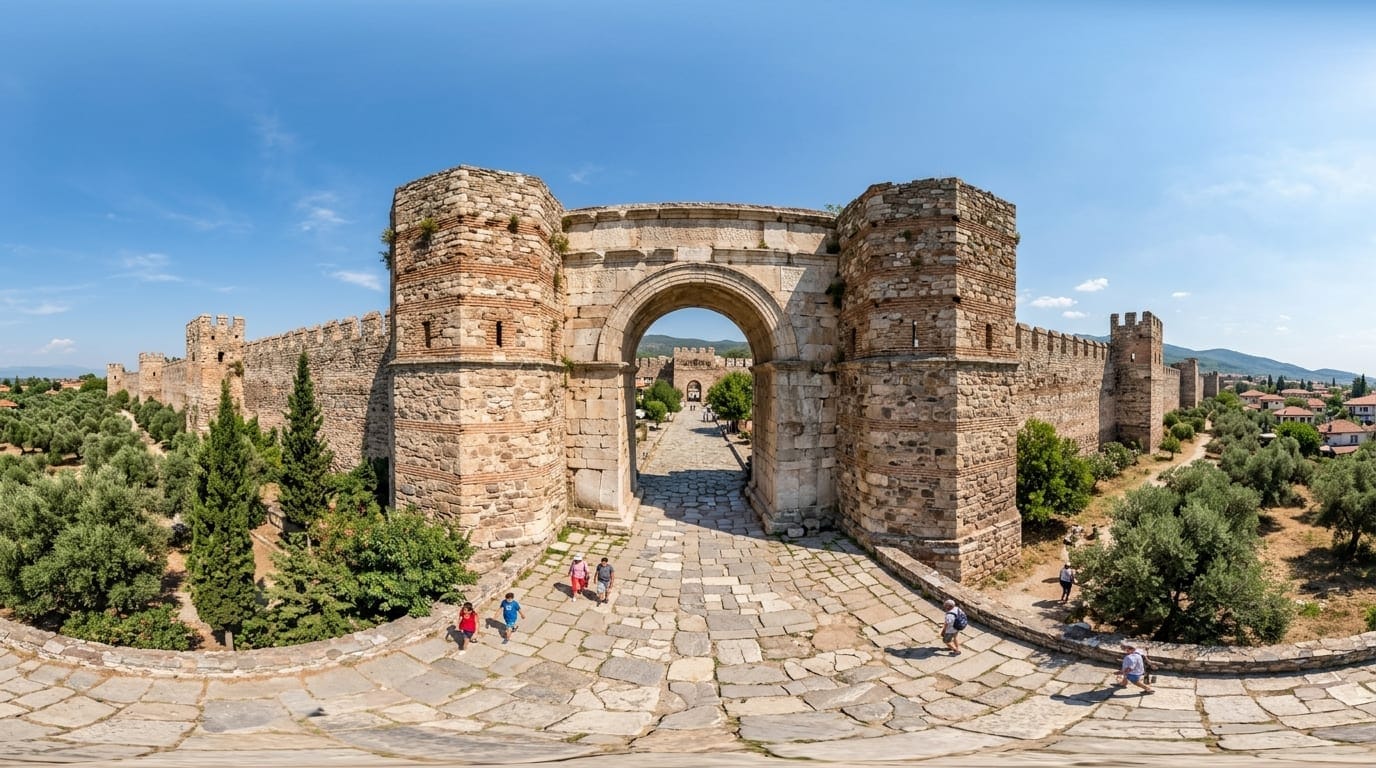
B.C. The 4,970-meter-long Iznik Walls with 114 towers, built in the 4th century, and the three-eyed monumental Lefke Gate in the style of a Roman triumphal arch; It is the most complete defense system of Roman, Byzantine, Seljuk and Ottoman military architecture that has survived in the world.
Founded in 1331 by Prince Gazi Süleyman Paşa, son of Orhan Gazi, this is the very first theological college (madrasa) built by the Ottoman Empire. Today it operates as a vibrant center for master İznik ceramic tile artisans.
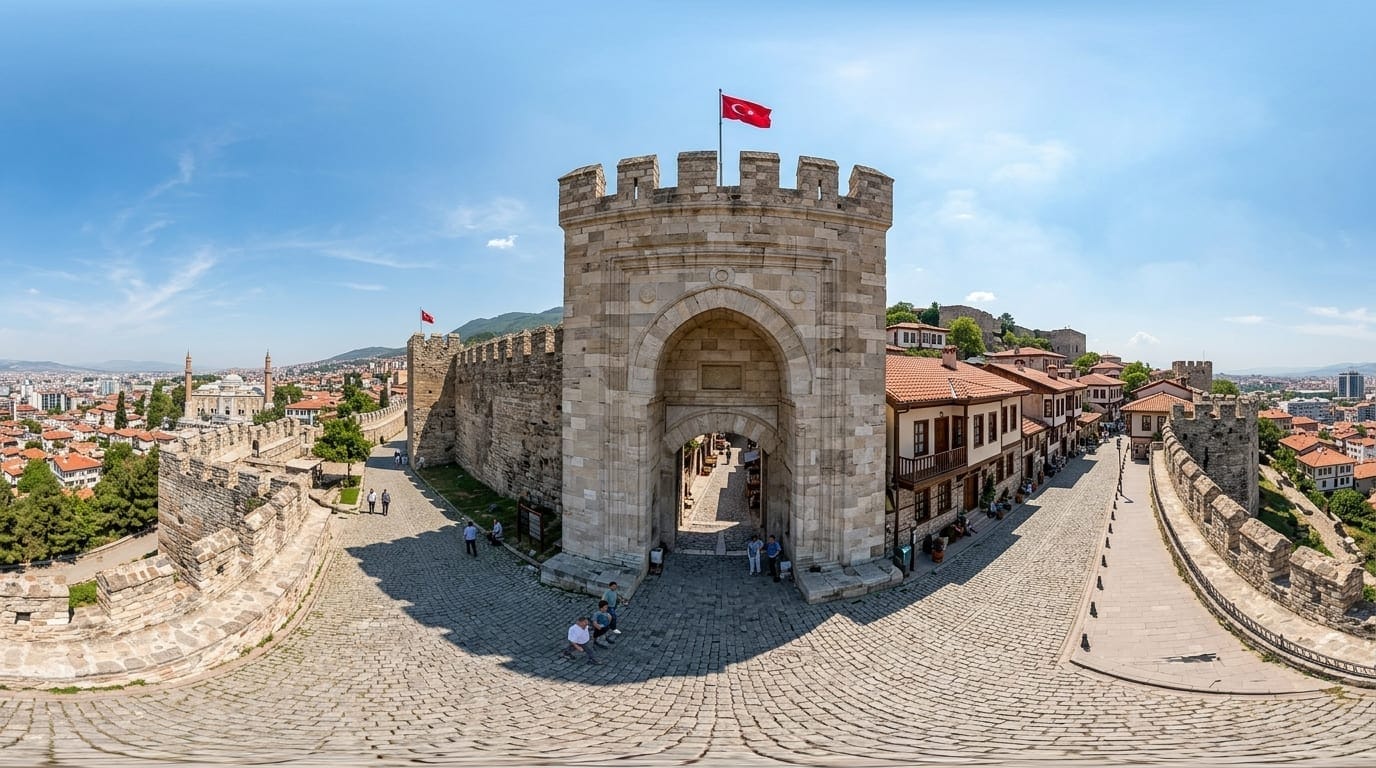
B.C. Bursa Castle, whose foundations were laid by the Kingdom of Bithynia and the Carthaginian commander Hannibal in the 2nd century, is the 2200-year-old military memory of the city with its 3.5-kilometer-long walls and the monumental Sultanate Gate through which Orhan Gazi entered the city.
Built between 1365 and 1385 by Sultan Murad I, this is the only Ottoman imperial mosque featuring an integrated two-story madrasa above the prayer hall. Overlooking Çekirge, it houses thermal fountains and the tomb of the martyred sultan of Kosovo.
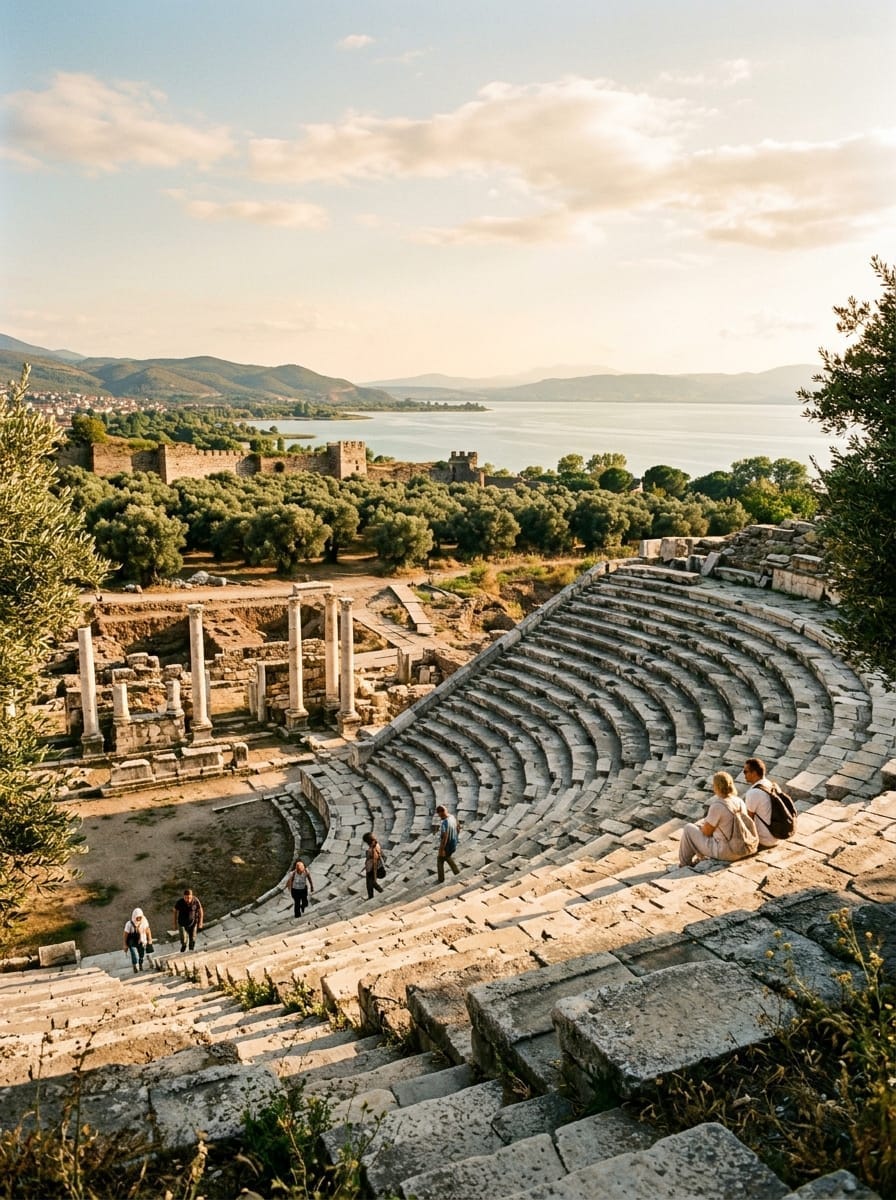
A strategic Eastern Roman (Byzantine) frontier fortress ('Kastel') that gave the district its name, guarding ancient Silk Road trade routes over the Bursa plains.
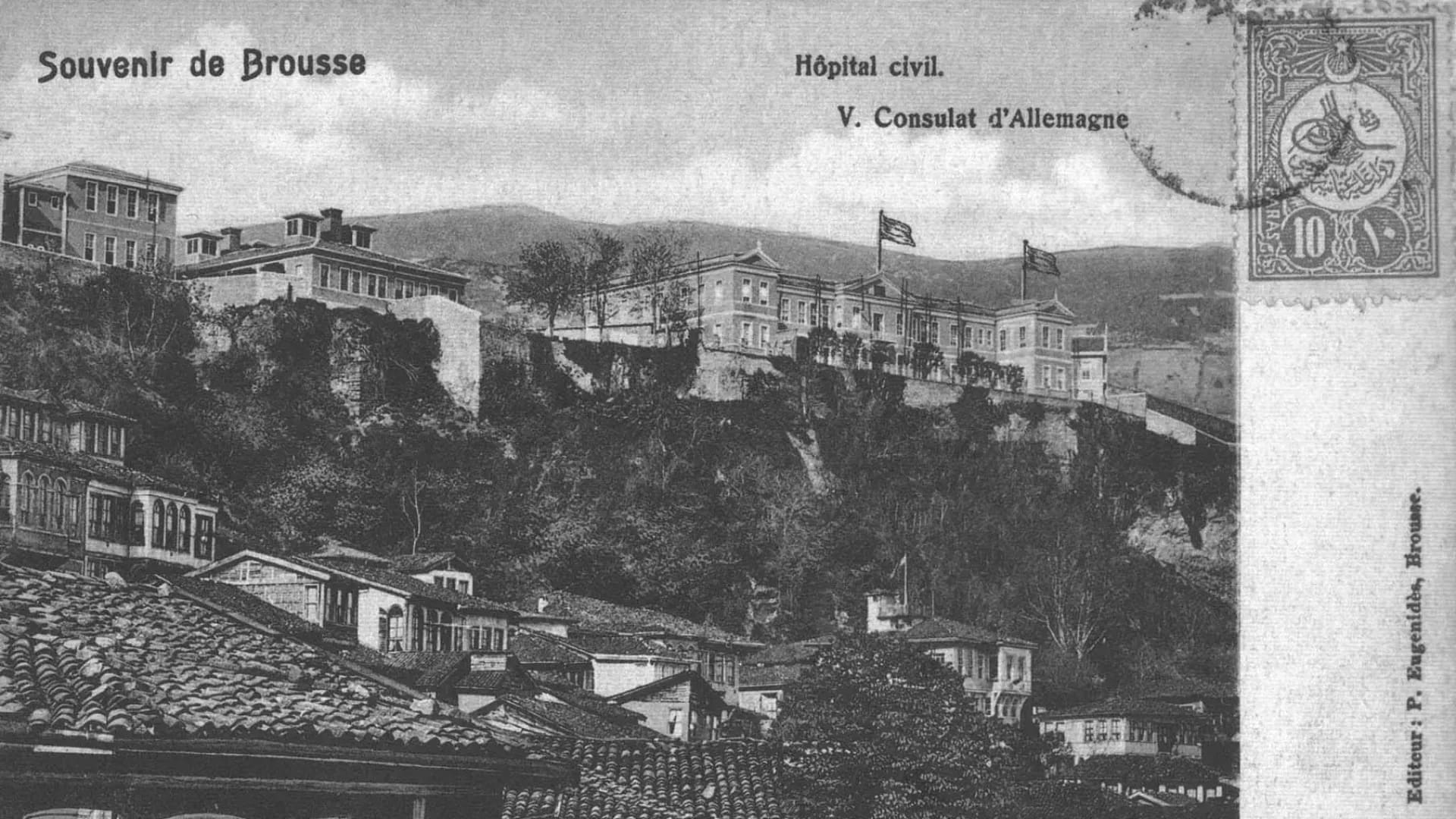
Set in Osmangazi, Ahmet Vefik Paşa Hastanesi (Muradiye Memleket Hastanesi) offers scenic greenery, peaceful walking tracks, picnic spots, and fresh air for nature enthusiasts.
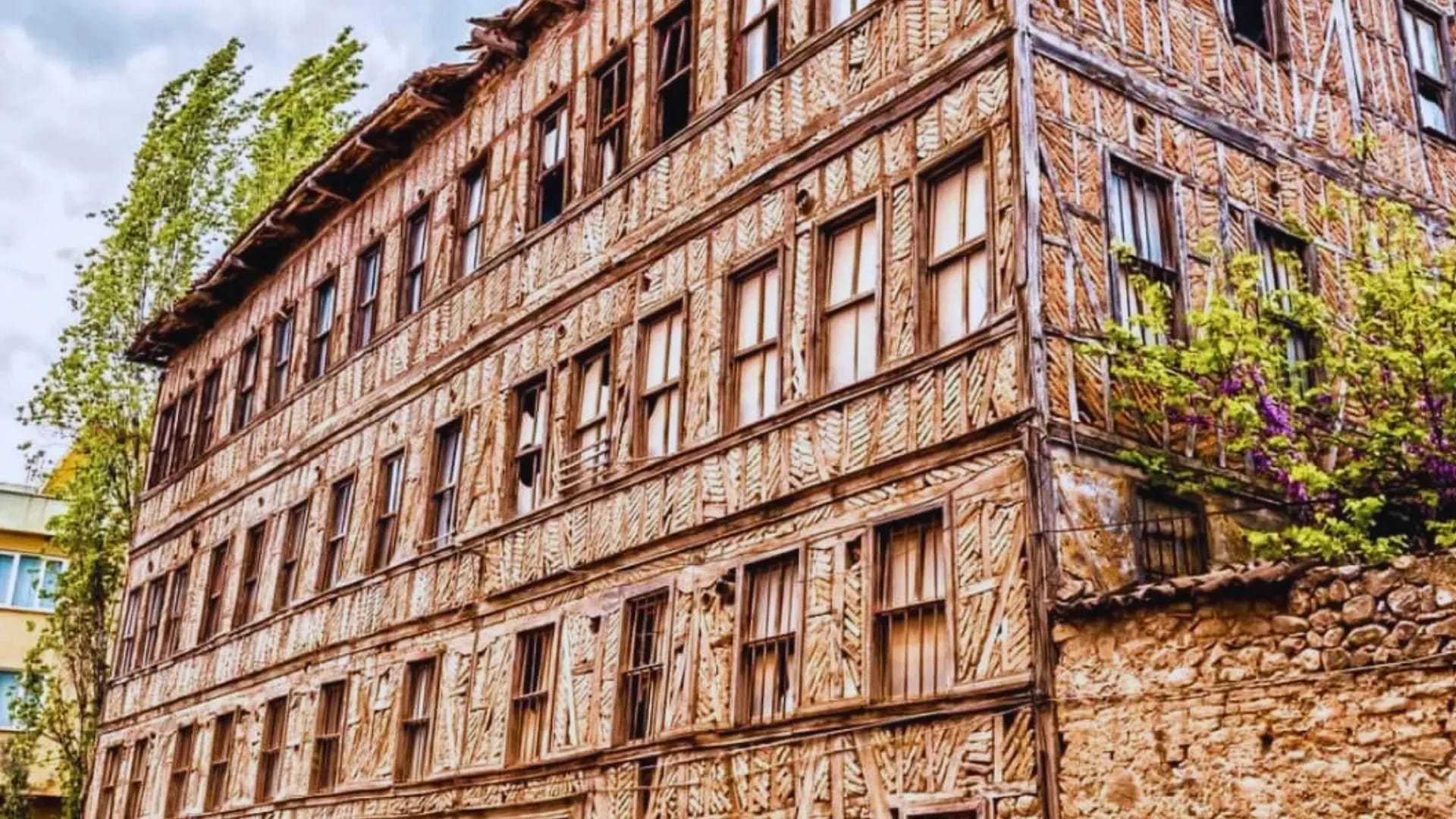
Set in Orhangazi, Hacıbeylerin Konağı offers scenic greenery, peaceful walking tracks, picnic spots, and fresh air for nature enthusiasts.

16th-century Ottoman imperial complex built by Grand Vizier Sinan Pasha, featuring a mosque, madrasa, and soup kitchen.
Toplam 35 mekandan 18 tanesi görüntüleniyor
Frequently Asked Questions About Bursa Attractions
Answers to the most frequently asked questions regarding Bursa's UNESCO monuments, historical khans, natural wonders, and transit tips.
The 5 landmark highlights for any first trip to Bursa are: 1) The Grand Mosque (Bursa Ulu Cami) with its 20 domes and indoor fountain, 2) Koza Han, historical hub of the Silk Road, 3) The Green Mosque and Green Tomb, 4) Cumalıkızık, a 700-year-old living UNESCO Ottoman village, and 5) Uludağ National Park summit, reached via the scenic Bursa Cable Car.