

Bursa Ulu Mosque: History, Secrets of Kuldukari Pulpit and Visiting Guide
Bursa Ulu Mosque, built by Yıldırım Bayezid in 1399, is the pinnacle of the monumental multi-legged mosque plan with 20 domes. It is considered a living open-air museum of Islamic art with its 16-cornered marble fountain with a glass ceiling in its interior, a nailless kundekari pulpit of 6,666 pieces and 192 giant calligraphy plates.
Bursa Ulu Mosque: History, Secrets of Kuldukari Pulpit and Visiting Guide
Bursa Ulu Mosque: History, Secrets of Kuldukari Pulpit and Visiting Guide 360° Virtual Tour & Earth 3D Station
Satellite 3D telemetry, terrain topography, and 360° street panoramas are fully calibrated. Fly in 3D orbit or tour inside step by step.
Insider Tip
"Be sure to watch the reflection of the sunlight filtering through the glass dome onto the fountain water between 10:00 and 11:00 in the morning. It is much more comfortable to examine the planet reliefs of the kundekari pulpit during hours other than prayer times."
History and Establishment Legend of Bursa Ulu Mosque
Yıldırım Bayezid Khan, the 4th sultan of the Ottoman Empire, vowed to have 20 separate mosques built in Bursa if he won the war, before the legendary Nigbolu Victory against the Crusader armies in 1396. After the victory, the state official and the great spiritual figure of the period, His Eminence Emir Sultan, recommended the construction of a huge and sublime temple with 20 domes gathered in a single place instead of 20 separate mosques.
The opening day of the Grand Mosque, built by Architect Ali Neccar between 1396 and 1399, witnessed one of the most impressive scenes in Ottoman history. During the first Friday prayer, Sultan Yıldırım Bayezid requested Emir Sultan to read the sermon; Emir Sultan entrusted this great task to the great saint Somuncu Baba (Sheikh Hamid-i Veli), who lived in the guise of a baker. In this first Friday sermon, Somuncu Baba impressed all the scholars of the period by interpreting the Fatiha Surah in seven different exoteric and esoteric levels, and when his secret was revealed, he left Bursa.
Architectural Masterpieces and Mysterious Art Details
Bursa Ulu Mosque sits on a rectangular area of 55 x 69 meters and is surrounded by thick cut stone walls. 20 lead-covered domes placed on 12 huge pillars in the interior make the acoustics and spaciousness of the mosque unique.
1. 16 Corner Internal Fountain with Glass Ceiling
The ceiling of the dome at the very center of the mosque is covered with glass, allowing natural daylight to enter. The 16-cornered white marble fountain located right under this dome spreads the soothing sound of water to every corner of the temple. According to rumor, an old woman living on the land where the mosque would be built did not want to give her land, so the expropriation was not forced; Later, with the consent of the woman, this area was transferred to a fountain pool where clean water flows, instead of the prayer floor.
2. Unnailed Kundekari Pulpit Depicting the Solar System
The pulpit, made of hard walnut wood by Hacı Mehmed bin Abdülaziz ed-Devvakı of Antep in 1399, is one of the rarest examples of the art of kundekari (attachment without nails and glue) in the world. On the east and west side facades of the pulpit, which consists of 6,666 pieces of wood, centuries before Galileo and Copernicus, the Solar System, the orbits of the planets and their relative distances to the Sun are perfectly engraved with relief geometric motifs.
3. Open Air Museum of Islamic Calligraphy (192 Plates)
On the walls and pillars of the mosque, there are 192 plaques and graffiti written by 41 different calligraphers in thuluth, celi and kufi calligraphy. In particular, the huge Letter 'Vav', located on the southwest wall of the mosque and in front of which Hızır Aleyhisselam is said to have prayed, is a spiritual center where thousands of visitors stop to pray every day.
4. 1517 Yavuz Sultan Selim Kaaba Door Cover
After the Ottoman sultan Yavuz Sultan Selim Khan took over the caliphate and the holy relics as a result of the Egyptian Expedition, the renewed pure gold brocade door cover of the Magnificent Kaaba was personally gifted to Bursa Grand Mosque. This historical cover is exhibited in a special glass case on the right side of the pulpit.
Where and How to Get to Bursa Ulu Mosque?
The Ulu Mosque is located in the Osmangazi district, which is considered the heart of Bursa, on Atatürk Street and right at the entrance of the Historical Bazaar and Inns Area.
- By Bursaray Metro: You can get off at Şehreküstü Station and walk 5 minutes up from the Atatürk Street exit.
- With the T1 Sculpture Tram: You can get off at the Ulu Mosque stop directly at the mosque gate.
- From the Intercity Bus Terminal: Yellow public bus number 38 reaches directly in front of the Statue / Ulu Mosque.
- Parking: Grand Bazaar Multi-Storey Car Park and Zafer Plaza car parks around the mosque are within walking distance.
Local Tips for Visitors (Insider Guide)
- Light and Photography Angle: Between 10:00 and 11:30 in the morning, sunlight hits the fountain water through the ceiling glass, creating fascinating water waves on the walls.
- Dress Code: Since it is an active place of worship, female visitors are required to wear a headscarf and appropriate clothing; There is a free cover supply point at the entrance.
- Environmental Exploration: At the exit of the mosque, you can pass through the northern gate and go directly to the Historical Koza Han, built in 1491, where you can shop for genuine Bursa silk under the centuries-old plane trees and drink roasted Turkish coffee.

Photo Gallery
Frequently Asked Questions (FAQ)
What are the visiting hours and admission policies for Bursa Ulu Mosque: History, Secrets of Kuldukari Pulpit and Visiting Guide?
Most public sites in Osmangazi are accessible year-round. Standard admission is typically free or requires a nominal municipal fee. Morning hours (09:00 - 11:30) offer the calmest experience.
How do I reach Bursa Ulu Mosque: History, Secrets of Kuldukari Pulpit and Visiting Guide via Bursa public transportation?
Easily accessible using the BursaRay metro line or municipal Burulaş buses running towards Osmangazi. Taxis and local minibuses also connect directly from city hubs.
Is parking available for private vehicles near Bursa Ulu Mosque: History, Secrets of Kuldukari Pulpit and Visiting Guide?
Yes, designated BURBAK street parking bays or nearby municipal multi-story parking garages are available within a short 3-5 minute walk.
Are there specific dress codes or etiquette rules for visitors?
For sacred monuments and mosques, modest attire covering knees and shoulders is required, and complimentary headscarves are provided at entrances. For outdoor natural areas, casual walking gear is ideal.
Is Bursa Ulu Mosque: History, Secrets of Kuldukari Pulpit and Visiting Guide wheelchair and stroller accessible?
Main entryways feature accessibility ramps, flat stone courtyards, and step-free transit corridors suitable for wheelchair users and baby strollers.
Is photography and videography permitted inside?
Non-flash amateur photography is permitted throughout. Commercial shoots or using tripods in crowded worship spaces may require administrative permission.
Are audio guides or English informational signage available?
Yes, official QR-code plaques provide multilingual historical narrations in English directly on your smartphone.
Are restrooms, baby care rooms, and ablution facilities on-site?
Well-maintained public restrooms, accessible facilities, and clean washrooms are located directly on the grounds or in adjacent courtyards.
Where can I find dining options or authentic local tastes nearby?
Located within Osmangazi, traditional local eateries, tea gardens, and authentic restaurants serving Bursa specialties are situated within walking distance.
How much time should I plan for visiting Bursa Ulu Mosque: History, Secrets of Kuldukari Pulpit and Visiting Guide?
A thorough visit to absorb the architecture, history, and photography viewpoints generally takes between 40 minutes and 1.5 hours.
Visitor Information
Explore Osmangazi & Surroundings
Gastronomy, district guides, and latest regional highlights in Osmangazi.

Osmangazi Travel Guide: The Historic Heart of Inns and Sultan Complexes
Complete 1-day exploration route of Bursa's imperial center Osmangazi, featuring the Grand Mosque, Silk Bazaar, and Tophane citadel.
Registered Gastronomy in Osmangazi
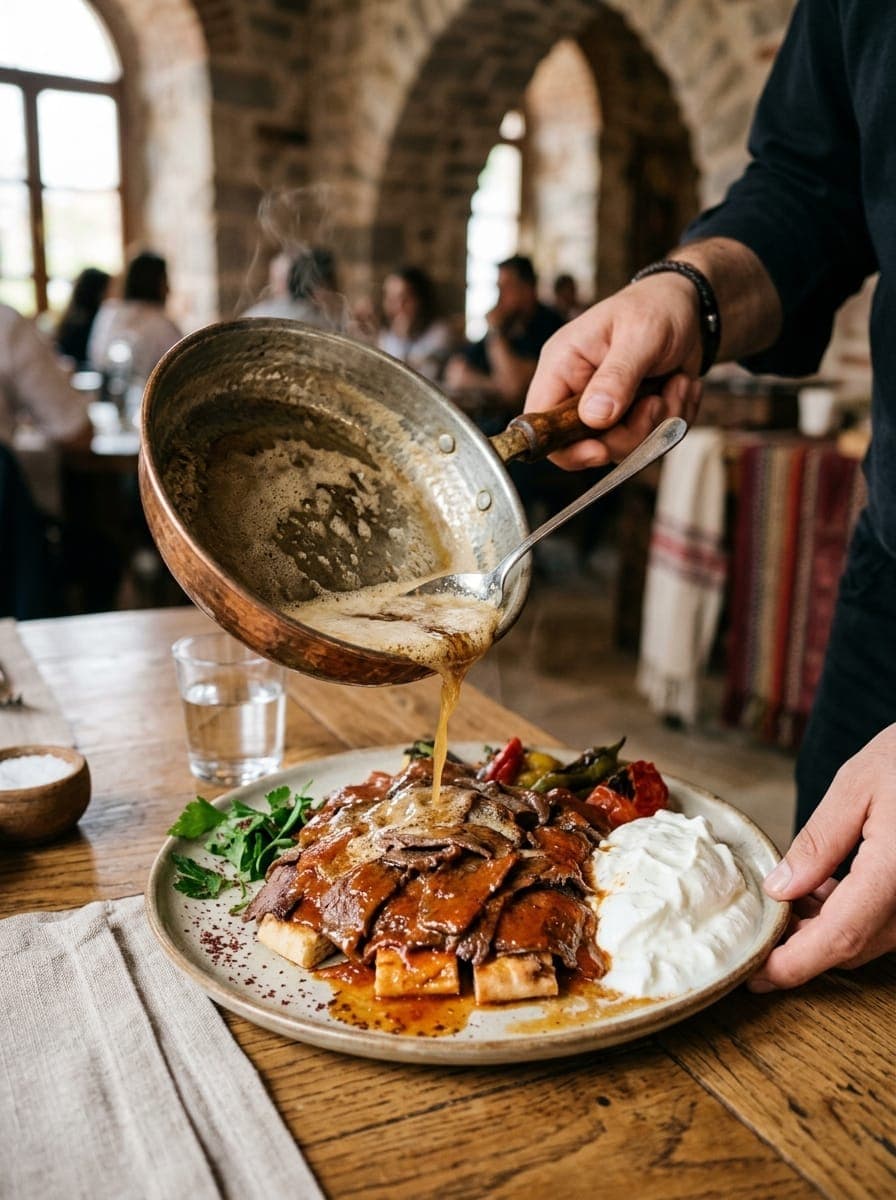
Authentic Bursa Iskender Kebab
Kebapçı İskender (Historic Blue Shop, Heykel), Kebapçı Hüseyin (Alacahırka), Kebapçı İsmail (Kayhan)
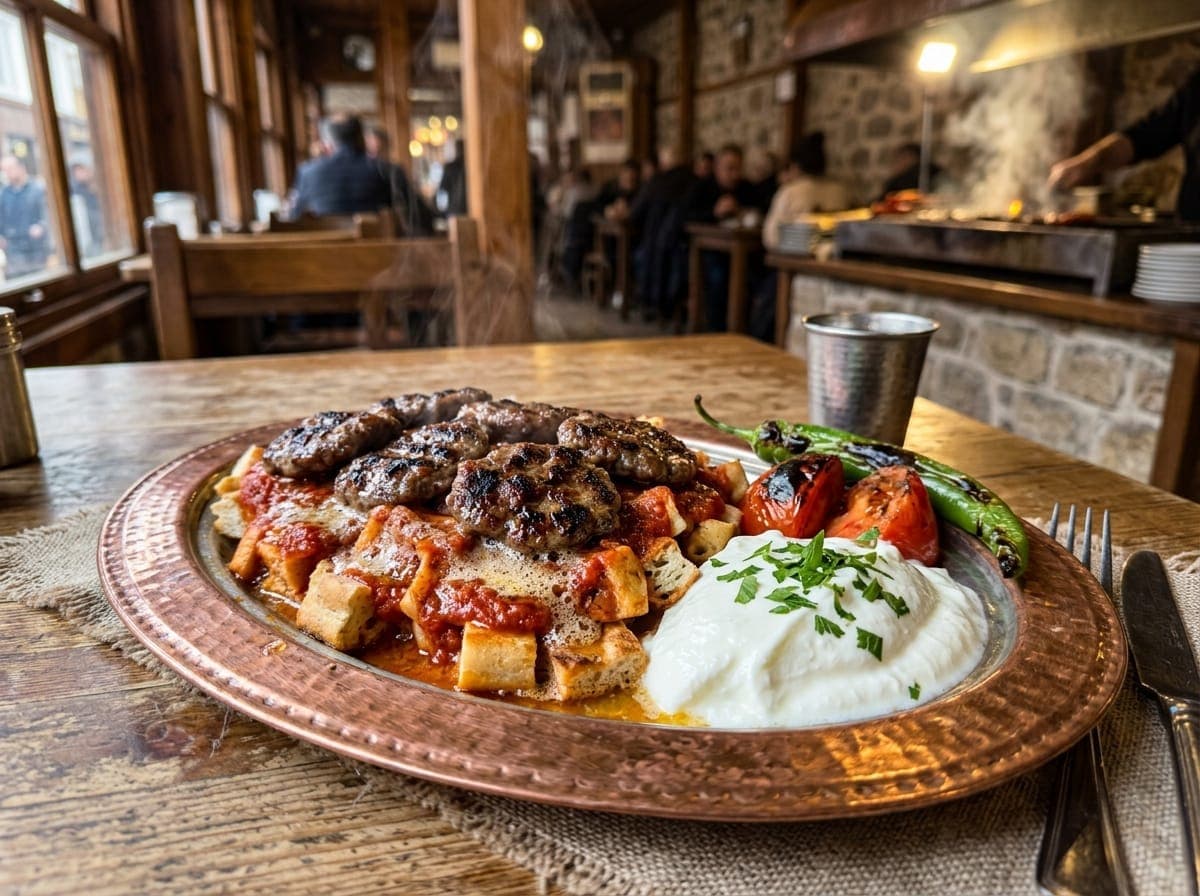
Bursa Meatballs on Flatbread (Pideli Köfte)
Historic Kayhan Bazaar (Hacı Bey, Köfteci Yeşil, İdris)
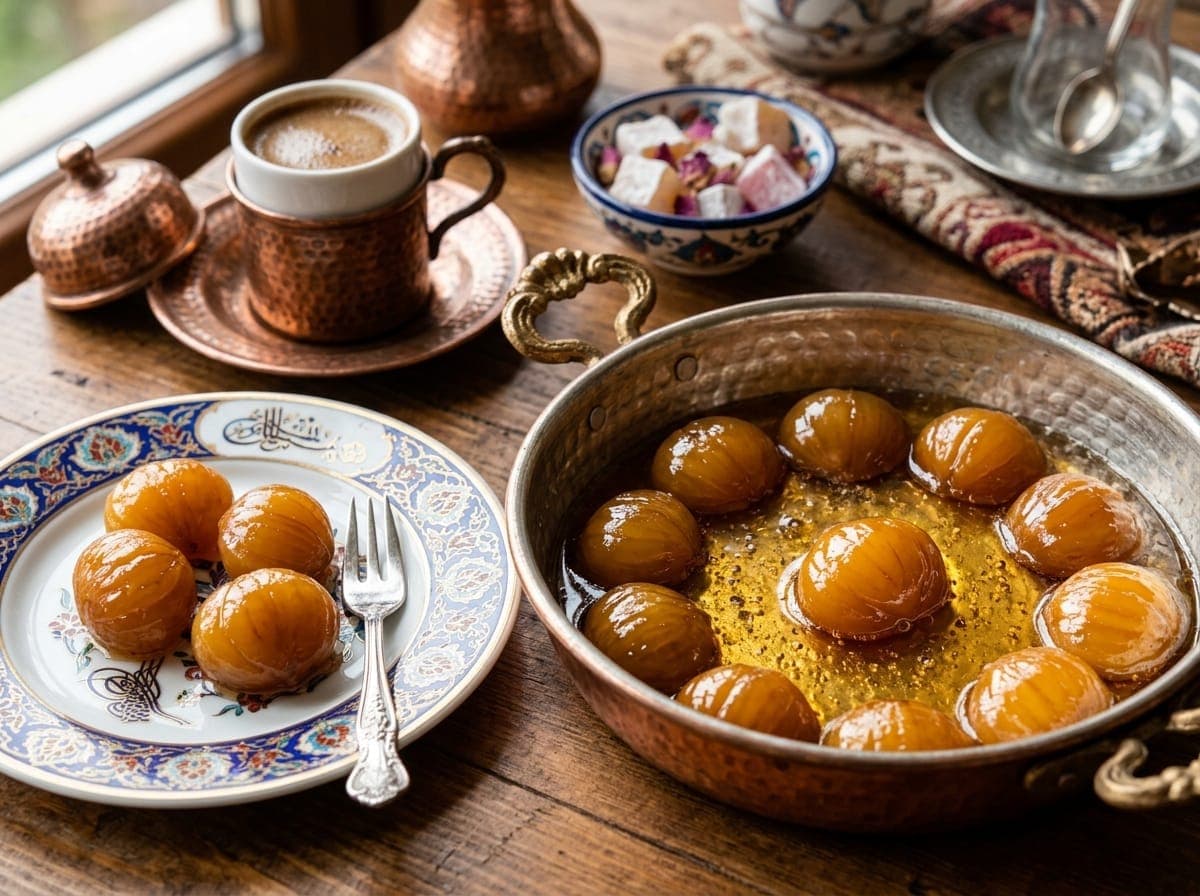
Bursa Candied Chestnuts (Marron Glacé)
Kafkas (Atatürk Cad.), Kardelen Kestane Şekeri, Ali Uzun (Grand Bazaar)
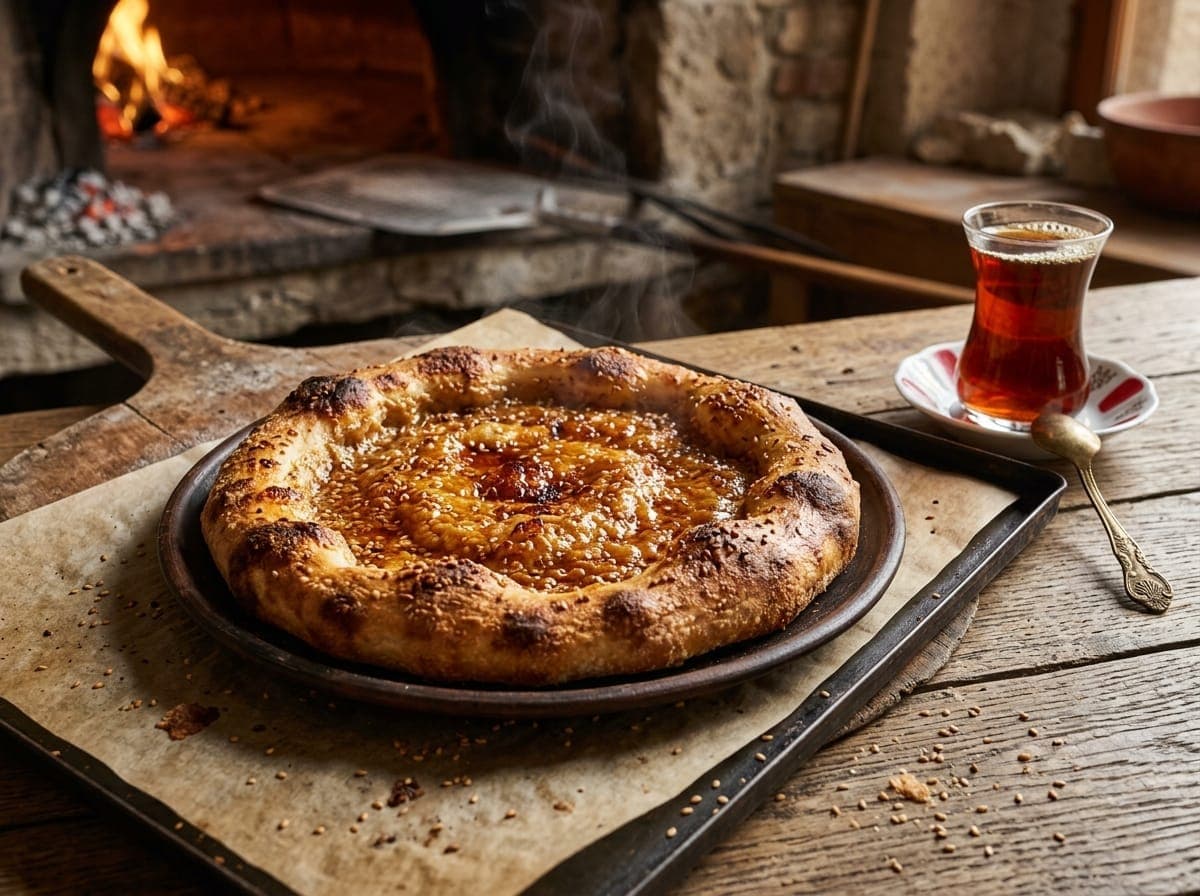
Bursa Tahini Flatbread ('Tahanlı')
Tarihi Abdal Fırını (Abdal Square), İnanç Fırını (Muradiye)
Latest News from Osmangazi


Visitor Information


Nearby Attractions

Tombs of Osman Gazi and Orhan Gazi
Resting side by side in Tophane Park, these tombs house Osman Gazi, founder of the Ottoman Empire, and his son Orhan Gazi, conqueror of Bursa. Featuring the Clock Tower, ancient ramparts, and hourly ceremonial Alp Honor Guard changes, it is Bursa's foremost historical shrine.
Gököz Lake and Nature Park (Gököz Natural Park)
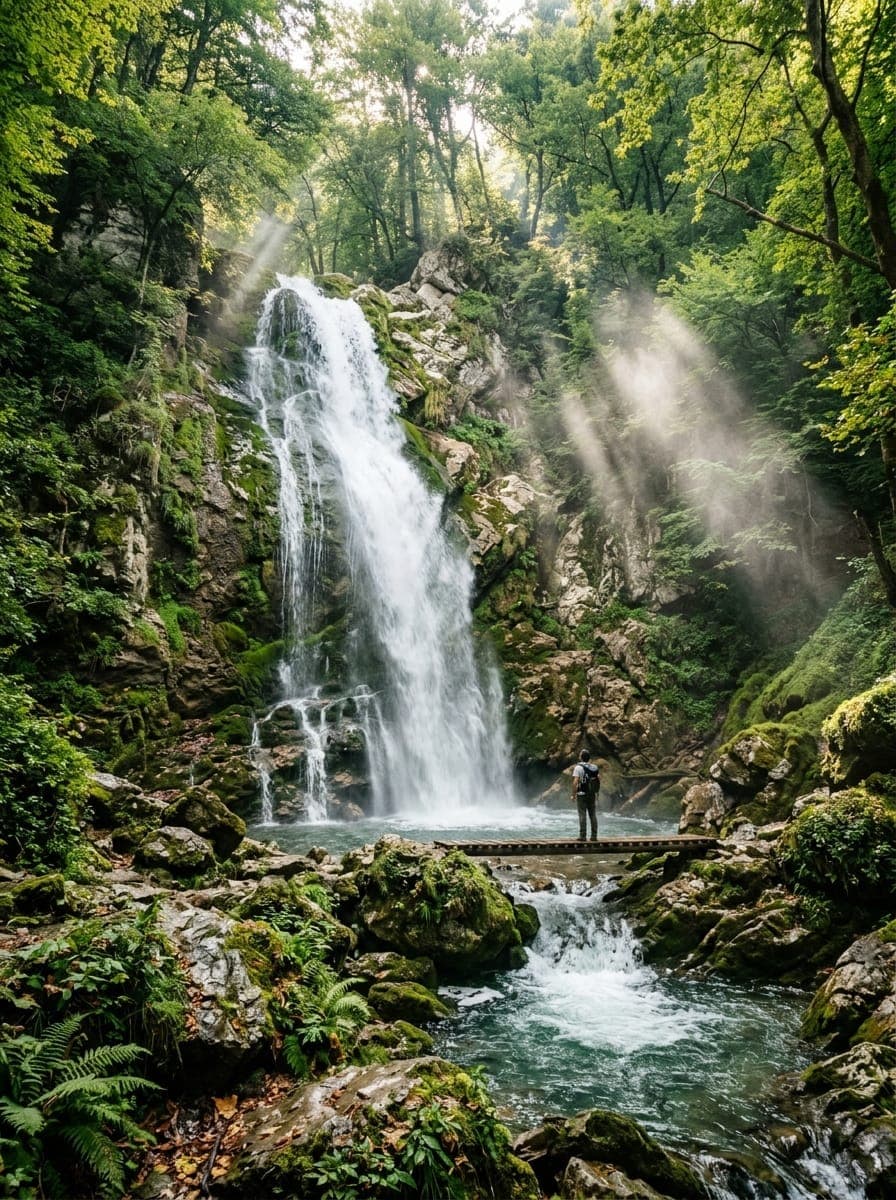
Nestled on the southern foothills of Mount Uludağ at an elevation of 1,120 meters, Gököz Natural Park reflects pine forests and snowy summits in its pristine lake. Offering timber chalets, horse safaris, lake canoeing, angling, and farm-to-table mountain gastronomy, it is Bursa's premier four-season eco-retreat.
Murad I (Hudavendigar) Mosque and Complex
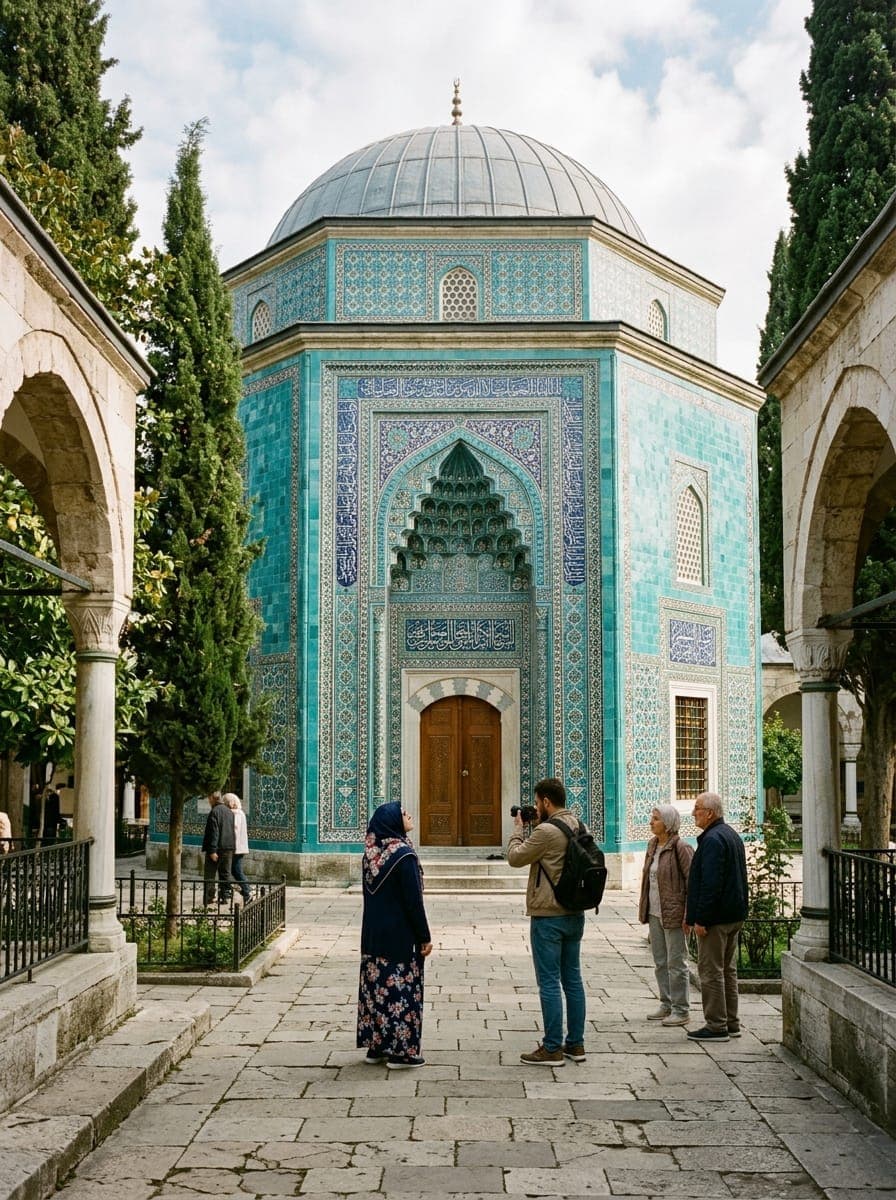
Built between 1365 and 1385 by Sultan Murad I, this is the only Ottoman imperial mosque featuring an integrated two-story madrasa above the prayer hall. Overlooking Çekirge, it houses thermal fountains and the tomb of the martyred sultan of Kosovo.