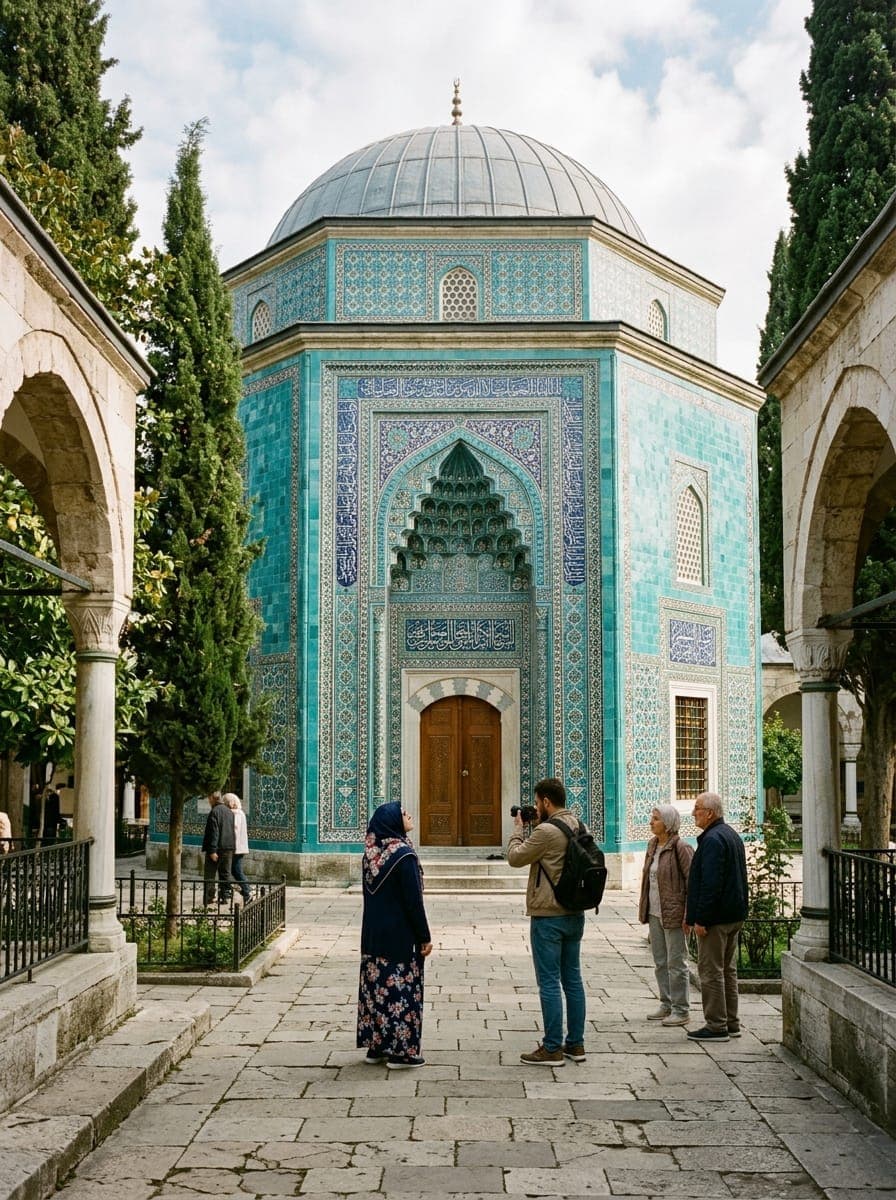
Murad I (Hudavendigar) Mosque and Complex
Built between 1365 and 1385 by Sultan Murad I, this is the only Ottoman imperial mosque featuring an integrated two-story madrasa above the prayer hall. Overlooking Çekirge, it houses thermal fountains and the tomb of the martyred sultan of Kosovo.
Murad I (Hudavendigar) Mosque and Complex
Murad I (Hudavendigar) Mosque and Complex 360° Virtual Tour & Earth 3D Station
Satellite 3D telemetry, terrain topography, and 360° street panoramas are fully calibrated. Fly in 3D orbit or tour inside step by step.
Insider Tip
"Explore the second-floor madrasa cloisters and examine the warm thermal fountain in the courtyard supplied by ancient Çekirge springs."
Unique Two-Story Masterpiece: Murad I Hüdavendigar Mosque
Constructed in Çekirge between 1365 and 1385, this complex uniquely combines a ground-floor mosque with a 16-cell upper-floor theological college (madrasa). It honors Sultan Murad I, martyred at the Battle of Kosovo in 1389, and integrates natural thermal spring waters from Çekirge.

Frequently Asked Questions (FAQ)
Is the upper-floor madrasa open to visitors?
Outside prayer times, the upper-level cloisters can be toured under the supervision of mosque staff.
Is there an admission fee?
No, entrance to the mosque and royal tomb is free.
Where is Sultan Murad I buried?
His tomb is located right across the street in a serene garden shaded by ancient plane trees.
How do you reach Çekirge from downtown Bursa?
City buses and shared dolmuş vans marked 'Çekirge' depart frequently from Heykel and Şehreküstü directly to the complex.
Does the courtyard fountain have thermal water?
Yes, the ablution taps are fed by Çekirge's natural warm sulfur mineral springs.
Are guided tours available?
QR codes at the gate provide audio guides in Turkish and English on mobile phones.
Is wheelchair access provided?
The courtyard and ground-floor mosque are wheelchair accessible via ramp.
What is the historical significance of Murad I?
He was the third Ottoman sultan, known as Hüdavendigar ('the Sovereign'), who expanded the empire into the Balkans and fell in Kosovo.
Visitor Information
Explore Osmangazi & Surroundings
Gastronomy, district guides, and latest regional highlights in Osmangazi.

Osmangazi Travel Guide: The Historic Heart of Inns and Sultan Complexes
Complete 1-day exploration route of Bursa's imperial center Osmangazi, featuring the Grand Mosque, Silk Bazaar, and Tophane citadel.
Registered Gastronomy in Osmangazi
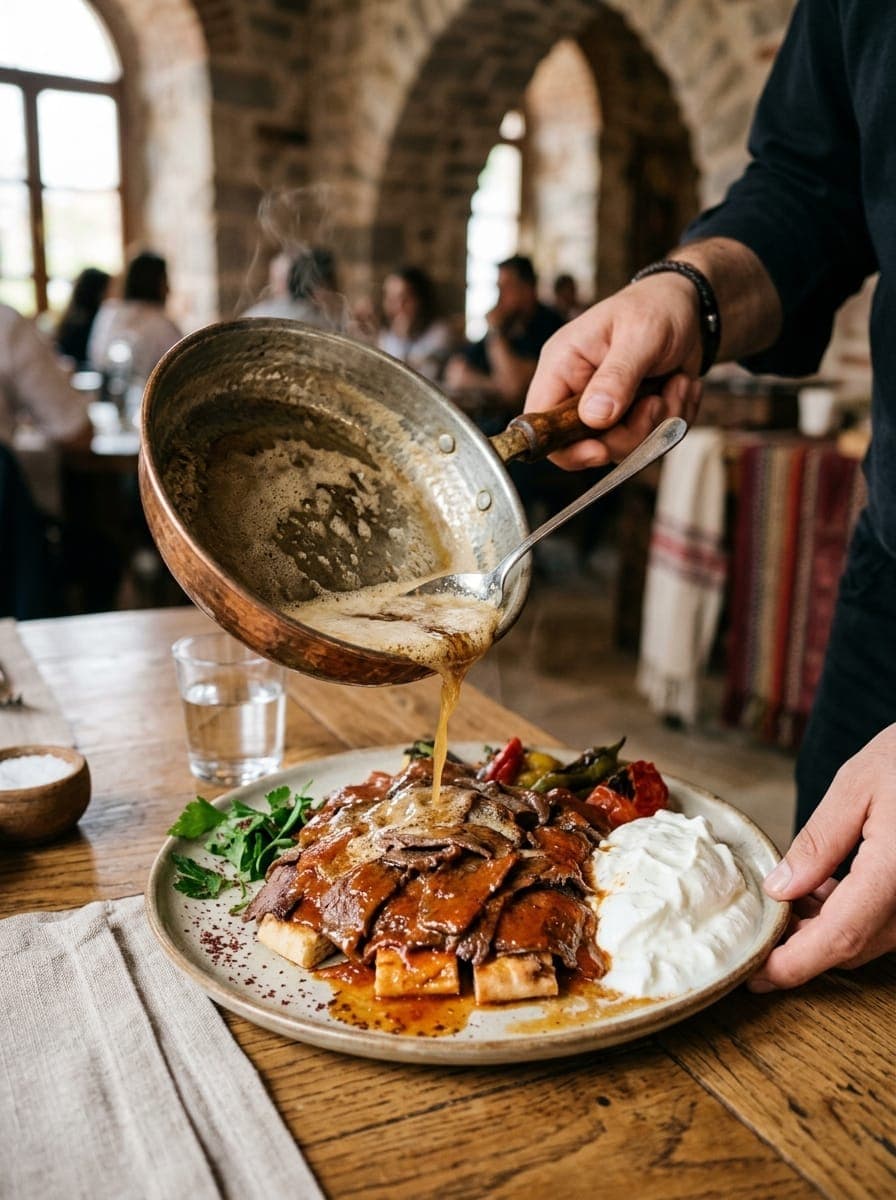
Authentic Bursa Iskender Kebab
Kebapçı İskender (Historic Blue Shop, Heykel), Kebapçı Hüseyin (Alacahırka), Kebapçı İsmail (Kayhan)
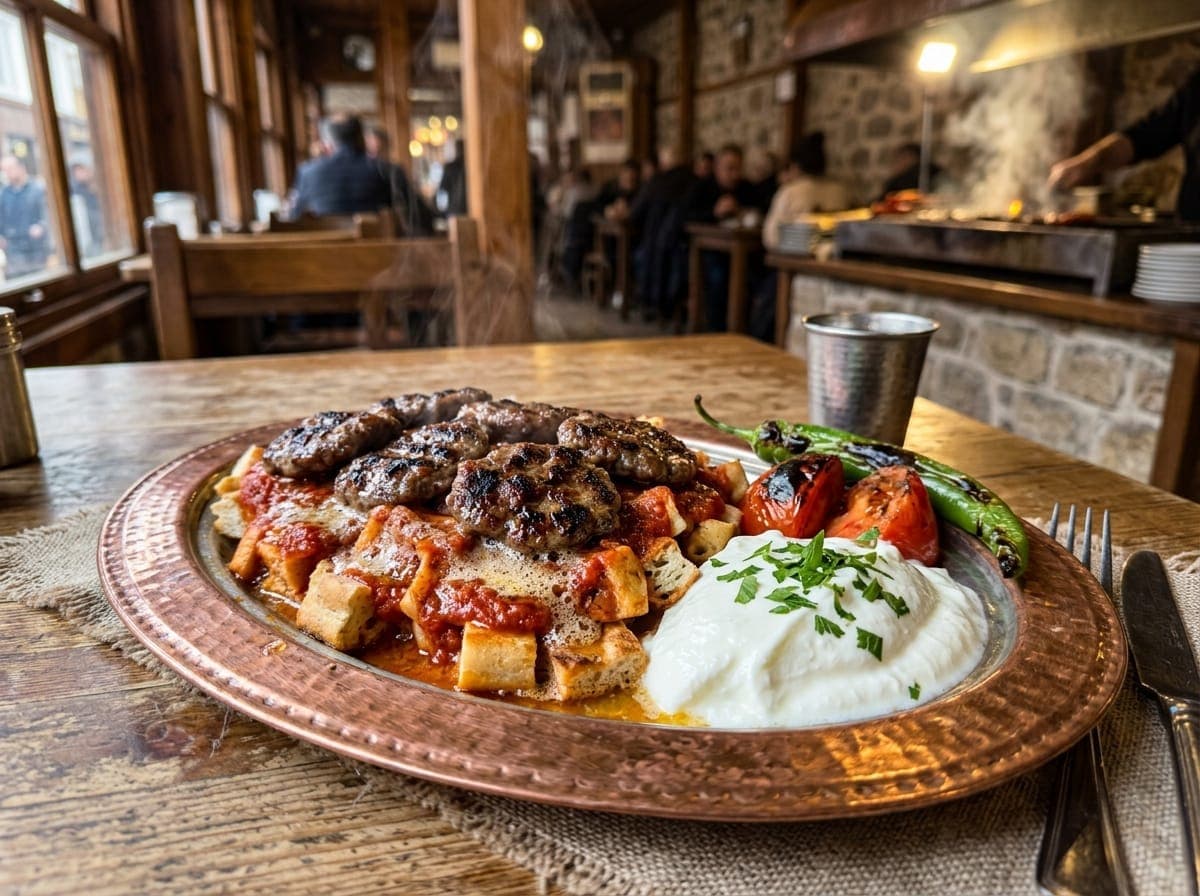
Bursa Meatballs on Flatbread (Pideli Köfte)
Historic Kayhan Bazaar (Hacı Bey, Köfteci Yeşil, İdris)
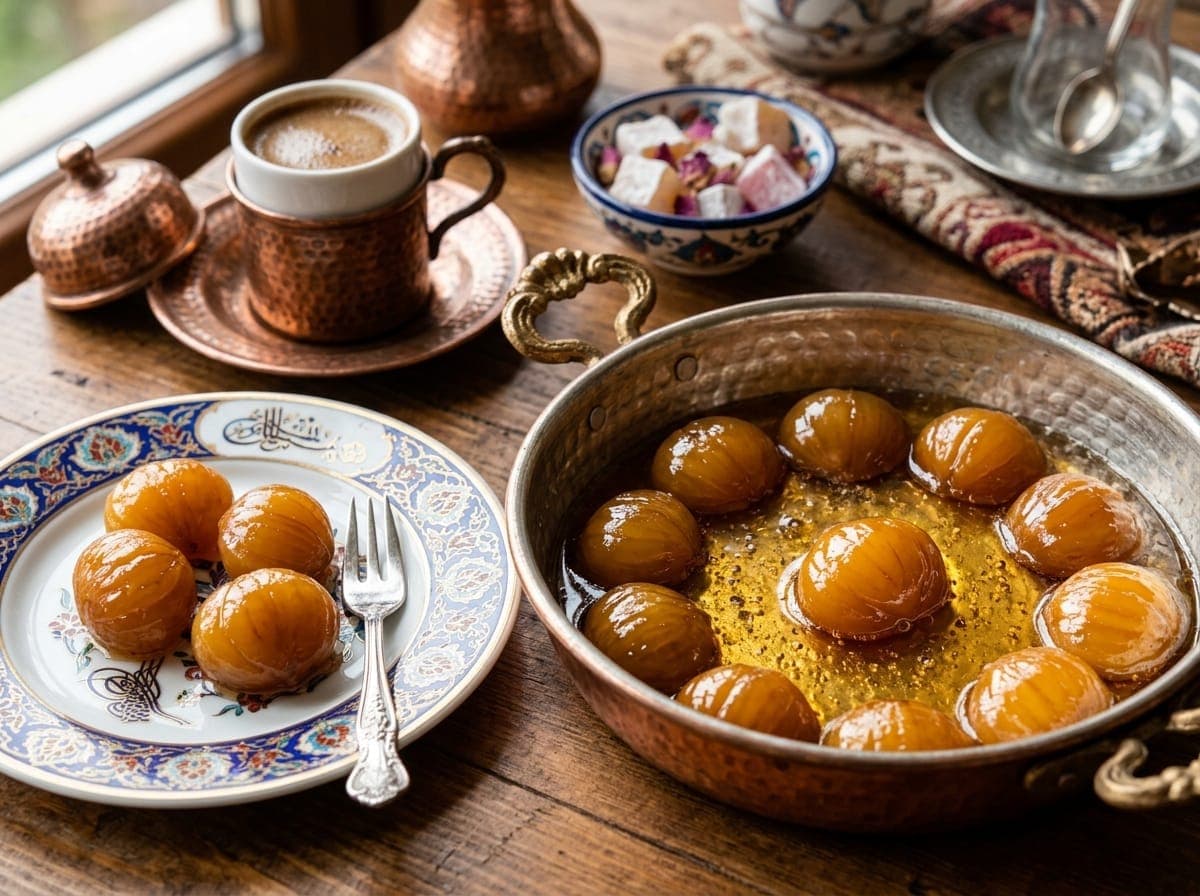
Bursa Candied Chestnuts (Marron Glacé)
Kafkas (Atatürk Cad.), Kardelen Kestane Şekeri, Ali Uzun (Grand Bazaar)
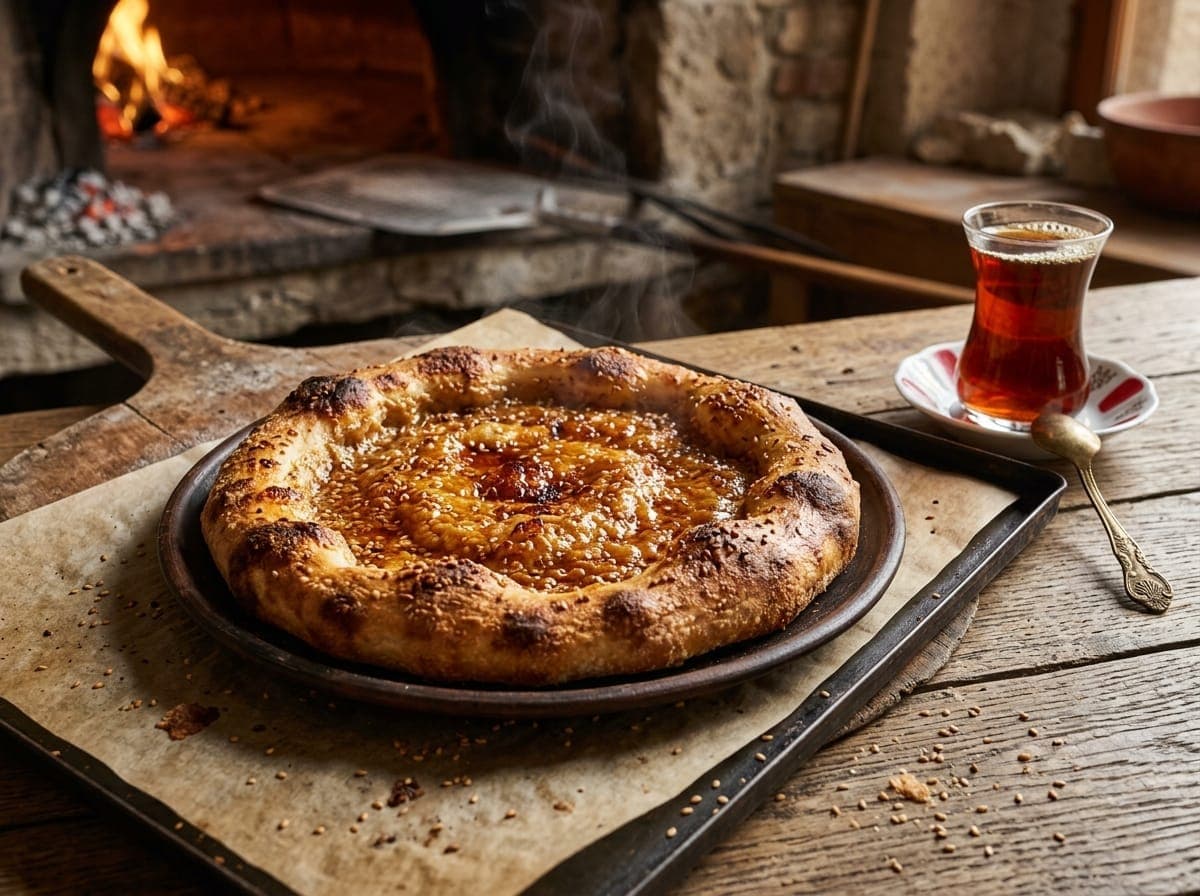
Bursa Tahini Flatbread ('Tahanlı')
Tarihi Abdal Fırını (Abdal Square), İnanç Fırını (Muradiye)
Latest News from Osmangazi

Visitor Information


Nearby Attractions

Tombs of Osman Gazi and Orhan Gazi
Resting side by side in Tophane Park, these tombs house Osman Gazi, founder of the Ottoman Empire, and his son Orhan Gazi, conqueror of Bursa. Featuring the Clock Tower, ancient ramparts, and hourly ceremonial Alp Honor Guard changes, it is Bursa's foremost historical shrine.
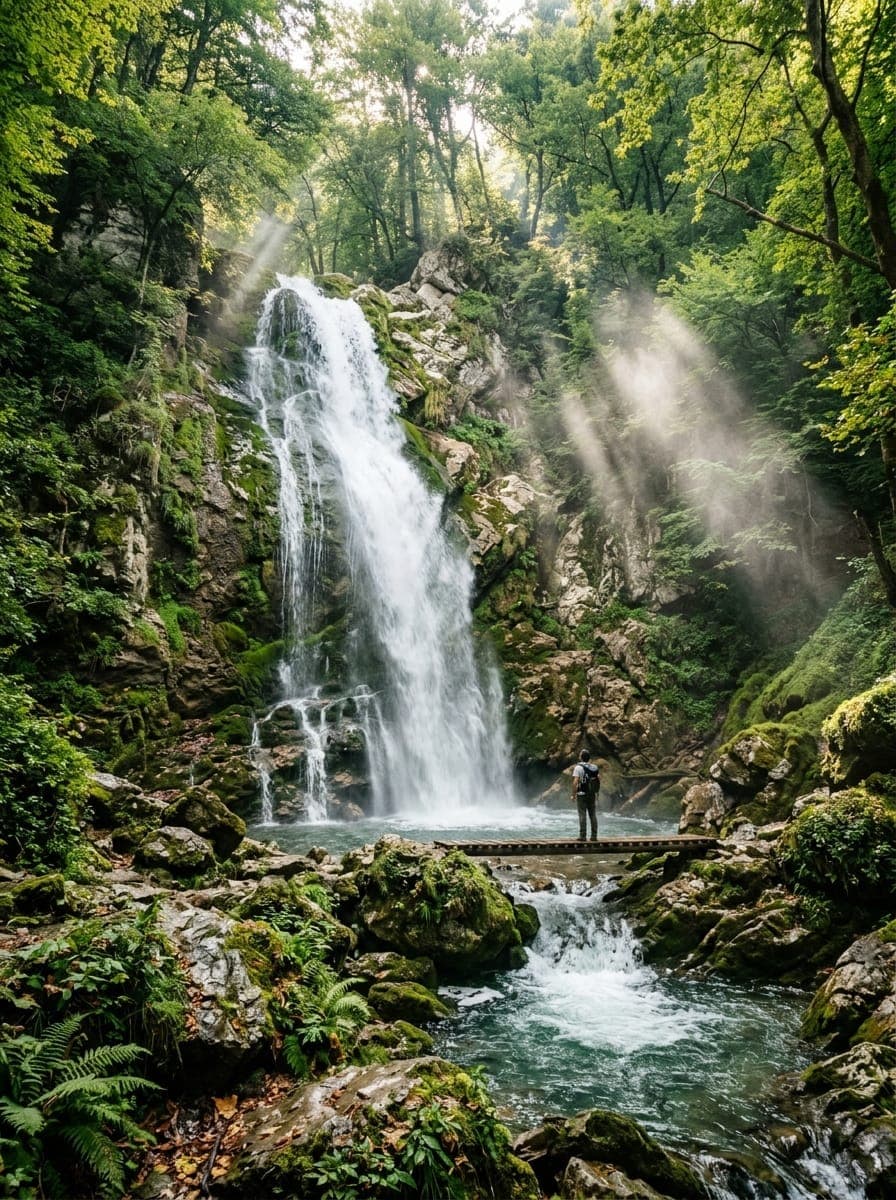
Gököz Lake and Nature Park (Gököz Natural Park)
Nestled on the southern foothills of Mount Uludağ at an elevation of 1,120 meters, Gököz Natural Park reflects pine forests and snowy summits in its pristine lake. Offering timber chalets, horse safaris, lake canoeing, angling, and farm-to-table mountain gastronomy, it is Bursa's premier four-season eco-retreat.
Yıldırım Bayezid Complex and Historical Hospital (Darüşşifa)
A UNESCO World Heritage monumental complex built in 1390-1399 by Sultan Bayezid I, encompassing an imperial mosque, royal tomb, and the Ottoman Empire's first medical school and hospital (Darussifa).